

 中文简体
中文简体 Español
 русский
 Deutsch
 Français
Content
- 1 What Are Nonwoven Wipes?
- 2 How Nonwoven Wipes Are Manufactured
- 3 Spunbond vs. Thermal-Bonded Nonwoven Fabrics
- 4 Primary Materials Used in Nonwoven Wipes
- 5 Common Types and Classifications of Nonwoven Wipes
- 6 Dry Wipes vs. Wet Wipes: Key Differences
- 7 Disinfecting Wipes vs. Moisturizing Wipes
- 8 Settings and Applications for Nonwoven Wipes
- 9 Frequently Asked Questions About Nonwoven Wipes
What Are Nonwoven Wipes?
Nonwoven wipes are engineered fabrics made from bonded fibers rather than woven threads, offering superior versatility for cleaning, hygiene, and industrial applications. Unlike traditional textiles that require weaving or knitting, nonwoven wipes are created by bonding fibers together through mechanical, thermal, or chemical processes, resulting in disposable or limited-use products that combine absorbency, strength, and softness.
The global nonwoven wipes market is projected to consume 2.1 million tonnes or 41.6 billion square metres of nonwovens, valued at $29.0 billion by 2027, with forecast growth rates of 7.4% (tonnes) and 6.8% (sales) annually. This growth reflects the increasing demand across healthcare, household, and personal care sectors.
How Nonwoven Wipes Are Manufactured
The Spunlace (Hydroentanglement) Process
Spunlace nonwoven fabric, also known as hydroentangled fabric, represents the gold standard for premium wipes. The manufacturing process involves three critical stages:
- Fiber Preparation: Loose fibers—typically natural ones like cotton, viscose (from wood pulp), or bamboo—are cleaned and carded into a thin, uniform web.
- High-Pressure Water Jets: The fiber web passes under rows of specialized jets spraying ultra-fine water streams at pressures up to 2200 psi (or 800 bar in industrial settings). These water needles, with diameters around 100-120 micrometers, physically entangle the fibers by twisting and knotting them together.
- Drying and Finishing: After thorough entanglement, the fabric moves through drying rollers. Additional treatments like calendering (smoothing with heat) or surface patterning may be applied.
The key advantage of spunlace technology is that it requires no chemical binders or adhesives—just pure mechanical bonding using water. This creates a cleaner surface with lower contamination risk, making it ideal for sensitive applications such as electronics, medical instruments, and baby care.
Alternative Manufacturing Methods
Beyond spunlace, nonwoven wipes can be produced through several other methods:
- Thermal Bonding: Uses heat and pressure to bond fibers, commonly used in spunbond fabrics.
- Needle Punching: Barbed needles mechanically punch through the fiber web to create entanglement.
- Chemical Bonding: Uses adhesives or chemical agents to bond fibers together.
- Air-Laid: Uses airflow to deposit fibers onto a conveyor, then bonds them—ideal for absorbent cores.
Spunbond vs. Thermal-Bonded Nonwoven Fabrics
Understanding the distinction between spunbond and thermal-bonded nonwovens is crucial for selecting the right material for specific applications. These two technologies serve different functional roles in hygiene and cleaning products.
| Criteria | Thermal-Bonded Nonwovens | Spunbond Nonwovens |
|---|---|---|
| Bonding Method | Hot air melts low-melting-point fibers (point-bonding) | Continuous filaments extruded, stretched, and thermally bonded |
| Primary Role | Skin comfort, liquid management | Structural integrity, encapsulation |
| Key Properties | Softness, loftiness, breathability | Strength, durability, cost efficiency |
| Typical Weight Range | 13–50 g/m² | Variable, typically higher |
| Common Applications | Baby wipe topsheets, diaper ADL layers, sanitary napkins | Diaper backsheets, SAP sheets, medical gowns, masks |
Thermal-bonded nonwovens act as the "gentle guardians" for skin contact, while spunbond nonwovens serve as the "structural backbone" in hygiene products. Spunbond fabrics are made by extruding melted polymer (typically polypropylene) through spinnerets, stretching filaments via high-speed air, then laying and bonding them into a web—yielding fabrics with high tensile strength and dimensional stability.
Primary Materials Used in Nonwoven Wipes
Nonwoven wipes utilize a diverse range of fibers, from natural plant-based materials to synthetic polymers, each offering distinct performance characteristics.
Natural and Regenerated Fibers
- Cotton: A natural fiber renowned for softness, absorbency, and breathability. Cotton wipes are 100% natural, contain no chemicals, and are plastic-free, making them ideal for baby care and sensitive skin applications.
- Viscose (Rayon): Made from regenerated cellulose (wood pulp), viscose combines the softness of natural fibers with enhanced wet strength. It offers smooth surface texture and good absorbency, commonly blended with polyester for balanced performance.
- Wood Pulp: Often blended with polyester in a classic 55% wood pulp / 45% polyester composition, wood pulp provides natural absorbency and softness for industrial wiping applications.
- Bamboo: A plant-based fiber offering silky smoothness with natural antibacterial properties, though it is typically processed as regenerated cellulose rather than raw bamboo.
Synthetic Fibers
- Polyester (PET): Provides durability, tensile strength, and tear resistance. Polyester helps wipes maintain shape when soaked but can feel stiff when used alone.
- Polypropylene (PP): A cost-effective synthetic offering chemical resistance and durability, commonly used in industrial and laboratory environments. However, PP is not biodegradable.
Do nonwoven wipes contain plastic? Yes, many nonwoven wipes contain synthetic plastic fibers such as polyester and polypropylene. However, eco-friendly alternatives using 100% plant-based fibers like cotton, viscose, and wood pulp are increasingly available and are plastic-free, biodegradable, and compostable.
Common Types and Classifications of Nonwoven Wipes
Nonwoven wipes are categorized into two major types: consumer wipes and industrial wipes. In 2022, the consumer wipes market was valued at $17.26 billion, while the industrial wipes market reached approximately $3.56 billion.
By Application Sector
- Household/J-Cloth Wipes: Used for kitchen cleaning, floor maintenance, and general surface cleaning. These require excellent hydrophilicity, lipophilicity, and wear resistance.
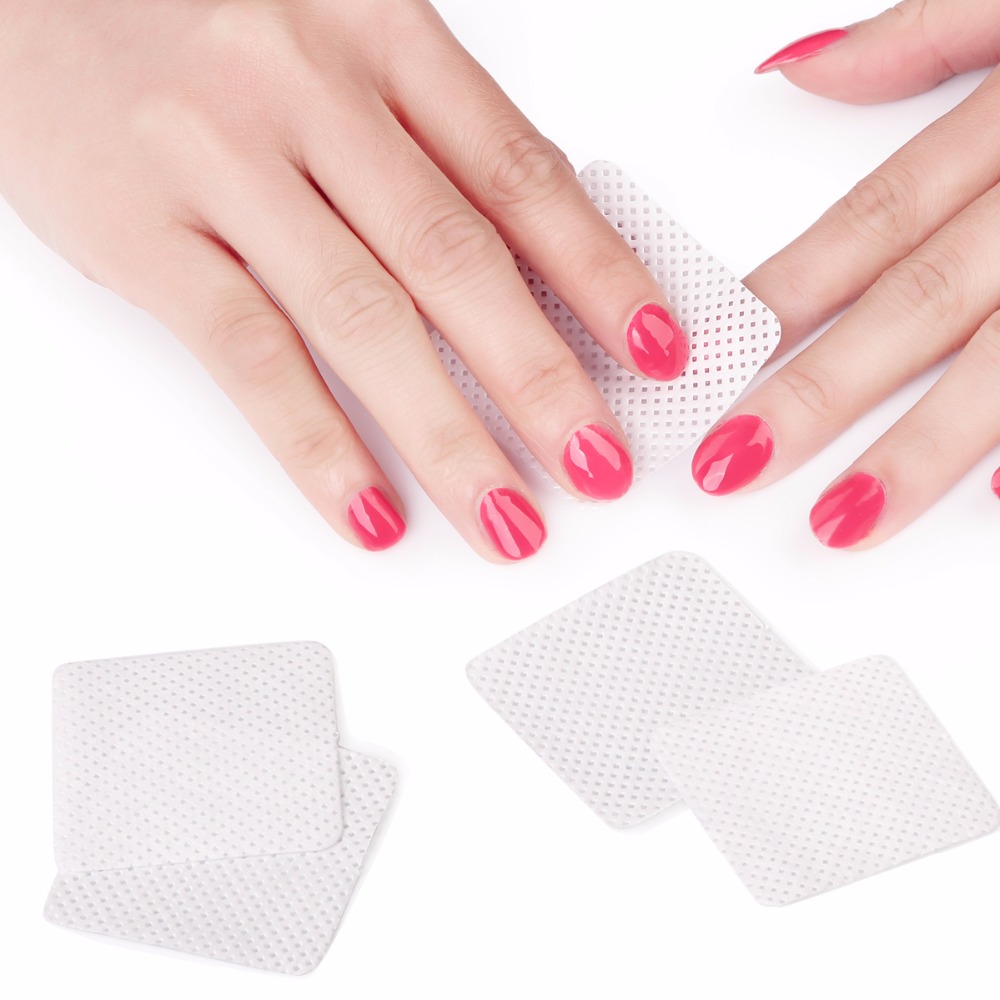
- Personal Care Wipes: Include baby wipes, facial cleansers, and makeup removers. Spunlace nonwovens dominate this category due to their softness and skin-friendly properties.
- Healthcare/Medical Wipes: Used for patient bathing, skin cleaning, instrument sterilization, and surface disinfection in clinical settings. These wipes must meet strict hygiene standards.
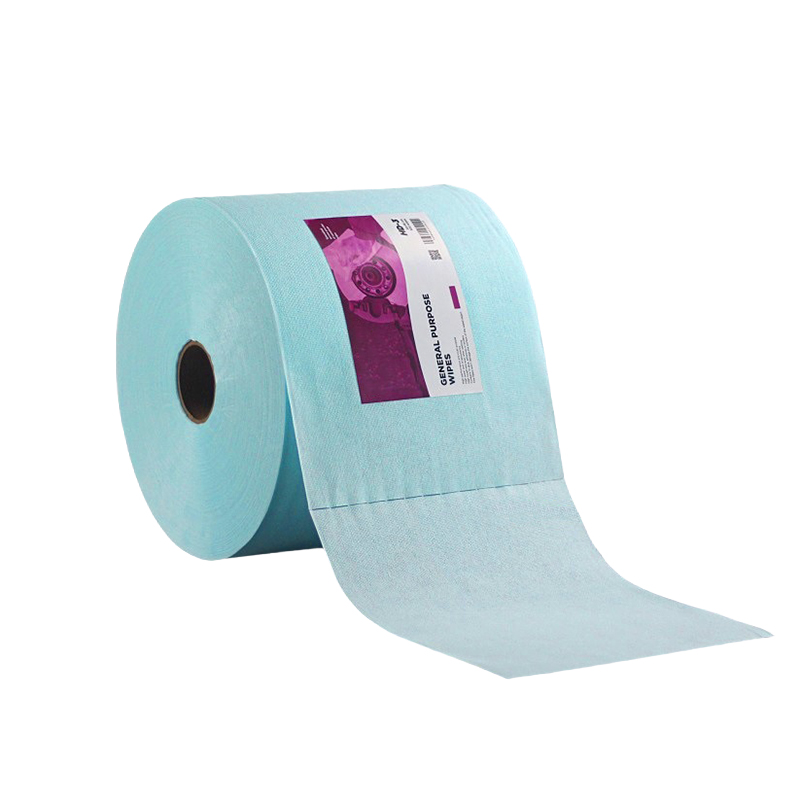
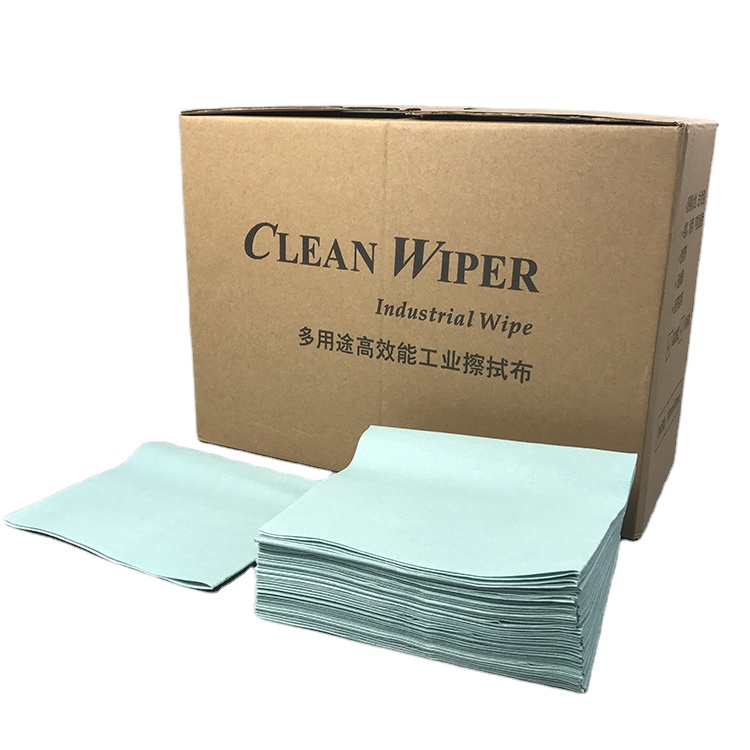
- Industrial Wipes: Designed for heavy-duty cleaning in manufacturing, automotive, and electronics industries. These prioritize strength, chemical resistance, and low-lint properties.
- Food Service Wipes: Specialized for hygiene maintenance in food processing plants, restaurants, and catering services.
By Material Composition
- Cellulose Nonwoven Wipes: Highly absorbent and soft, ideal for medical and baby care applications.
- Polypropylene Nonwoven Wipes: Durable and chemically resistant, suited for industrial and laboratory use.
- Viscose Nonwoven Wipes: Premium soft wipes for personal care and sensitive skin applications.
Dry Wipes vs. Wet Wipes: Key Differences
The fundamental distinction between dry and wet wipes lies in moisture content and usage flexibility. Each type serves specific needs across healthcare, household, and personal care settings.
| Feature | Dry Wipes | Wet Wipes |
|---|---|---|
| Moisture Content | No liquid; completely dry | Pre-moistened with cleansing solution |
| Shelf Life | Longer; no risk of microbial growth | Limited; requires airtight packaging |
| Customization | High; user adds preferred solution | Fixed; limited to pre-soaked formula |
| Storage & Transport | Lightweight, lower logistics costs | Heavier; requires moisture-proof packaging |
| Skin Gentleness | Gentler; no preservatives or alcohol | May contain irritants; risk of drying skin |
| Primary Uses | Medical care, makeup removal, dusting, patient bathing | Deep cleaning, baby care, on-the-go hygiene |
Hospitals increasingly prefer dry wipes because they offer complete flexibility—allowing staff to use the exact amount of liquid or solution needed for specific patient care protocols. Dry wipes also minimize chemical exposure and reduce the risk of skin irritation compared to pre-moistened alternatives.
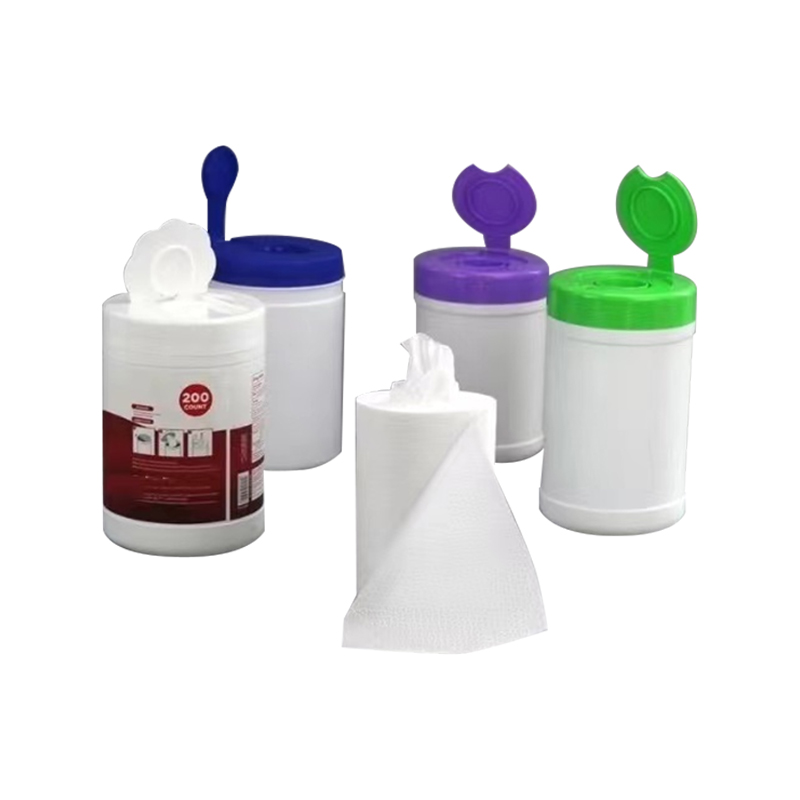
Conversely, wet wipes provide immediate convenience with built-in cleansing agents, making them ideal for quick cleanups, baby care, and situations where water access is limited. The moisture helps dissolve and lift away dirt and grime more effectively than dry wipes alone.
Disinfecting Wipes vs. Moisturizing Wipes
While both are pre-moistened nonwoven products, disinfecting wipes and moisturizing wipes serve fundamentally different purposes through their distinct chemical formulations.
Disinfecting Wipes
Disinfecting wipes are formulated with antimicrobial agents such as alcohol (typically 60-70%), quaternary ammonium compounds, or hydrogen peroxide to kill bacteria, viruses, and fungi on surfaces. These wipes prioritize sanitization over skin comfort and are designed for:
- Surface disinfection in healthcare facilities and households
- High-touch area cleaning (doorknobs, countertops, medical equipment)
- Outbreak prevention and infection control
During the COVID-19 pandemic, demand for disinfecting wipes surged to record numbers, and this category continues to experience elevated demand due to ongoing health concerns.
Moisturizing Wipes
Moisturizing wipes, conversely, are formulated with skin-conditioning agents such as aloe vera, vitamin E, glycerin, and other emollients. These wipes prioritize skin health and hydration:
- Baby care and diaper changes
- Facial cleansing and makeup removal
- Personal hygiene for sensitive skin
- Elderly care and incontinence management
The key difference lies in the active ingredients: disinfecting wipes contain biocides for pathogen elimination, while moisturizing wipes contain humectants and emollients for skin barrier support. Some products attempt to bridge both functions, but generally, users must choose between sanitization strength and skin gentleness.
Settings and Applications for Nonwoven Wipes
Nonwoven wipes serve critical functions across diverse environments, from sensitive medical settings to heavy industrial applications.
Healthcare and Medical Facilities
In hospitals and clinics, nonwoven wipes are essential for maintaining sterile environments. Applications include patient bathing, skin cleaning, instrument sterilization, surface disinfection, and use as disposable bed sheets. Lint-free spunlace wipes are particularly valued for cleaning sensitive medical equipment without leaving residue.
Food Industry
Food processing plants, restaurants, and catering services rely on nonwoven wipes for surface cleaning, utensil sanitization, hand hygiene, and spill management. These wipes must meet strict food safety standards and often require high absorbency for grease and liquid removal.
Electronics and Precision Industries
Electronics manufacturers use specialized low-lint spunlace wipes for cleaning screens, keyboards, circuit boards, and precision components. The binder-free structure of spunlace fabrics ensures no chemical residue is left behind, protecting sensitive equipment.
Automotive and Industrial
Automotive workshops and manufacturing facilities use durable nonwoven wipes for grease removal, tool cleaning, surface preparation, and general maintenance. Wood pulp/polyester blended wipes (55%/45%) are particularly effective for absorbing oils and solvents.
Household and Personal Care
Consumer applications include baby care, facial cleansing, makeup removal, kitchen cleaning, and general household maintenance. The household segment represents the largest share of the consumer wipes market, driven by convenience and hygiene awareness.
Frequently Asked Questions About Nonwoven Wipes
Are nonwoven wipes biodegradable?
It depends on the fiber composition. Wipes made from 100% natural fibers like cotton, viscose, or wood pulp are biodegradable and compostable. However, wipes containing synthetic fibers such as polyester or polypropylene are not biodegradable and can take hundreds of years to decompose.
Why are spunlace wipes more expensive than other types?
Spunlace wipes typically cost more upfront due to the complex hydroentanglement process and high-pressure water jet equipment required. However, they deliver higher value per use due to superior durability, absorbency, and lower failure rates—particularly important in professional cleaning and medical applications.
Can nonwoven wipes be flushed?
Only wipes specifically labeled as "flushable" should be flushed, and even then, caution is advised. Most nonwoven wipes, particularly those containing synthetic fibers, should be disposed of in trash bins to prevent plumbing blockages and environmental damage.
What GSM weight is best for different wipe applications?
GSM (grams per square meter) determines wipe thickness and performance:
- 35-45 GSM: Light and delicate, ideal for toner application and facial wipes
- 50-60 GSM: Standard weight for baby wipes and general cleaning
- 60+ GSM: Plush and towel-like, suitable for heavy-duty cleaning and industrial use
Are nonwoven wipes safe for sensitive skin?
Spunlace nonwoven wipes made from natural fibers (cotton, viscose) without chemical binders are generally safe for sensitive skin. Look for products labeled hypoallergenic, fragrance-free, and alcohol-free. Dry wipes are often preferred for highly sensitive skin as they contain no preservatives or potentially irritating chemicals.