

 中文简体
中文简体 Español
 русский
 Deutsch
 Français
Content
Comparison and Substitutability Analysis of Nonwoven Wipes and Regular Towels
When assessing whether nonwoven wipes can replace regular towels, a comprehensive analysis is needed from four dimensions: material characteristics, usage scenarios, hygiene and safety, and environmental impact.
1. Material Characteristics and Cleaning Effectiveness
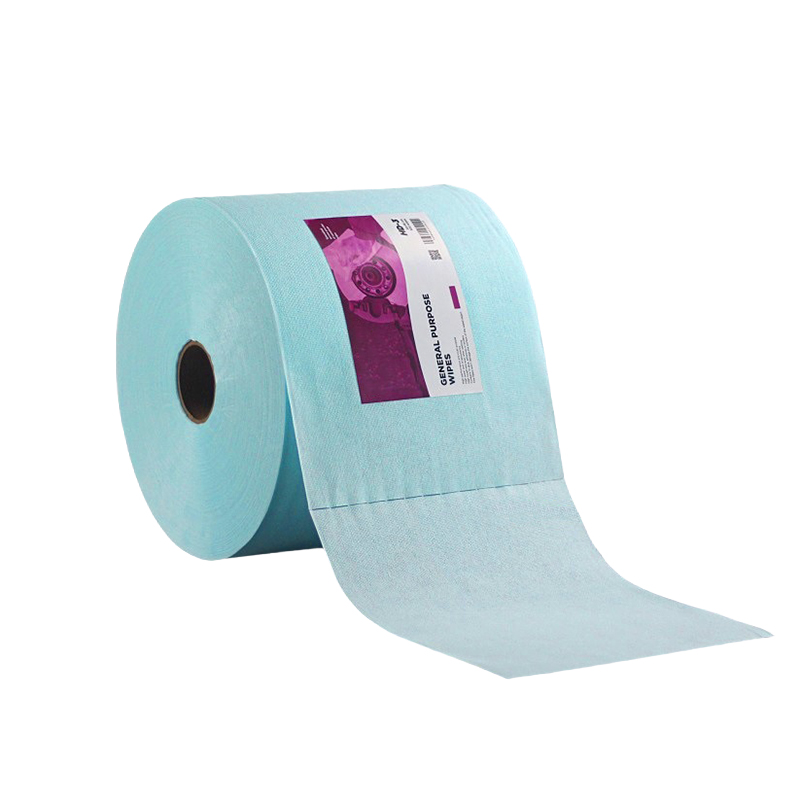
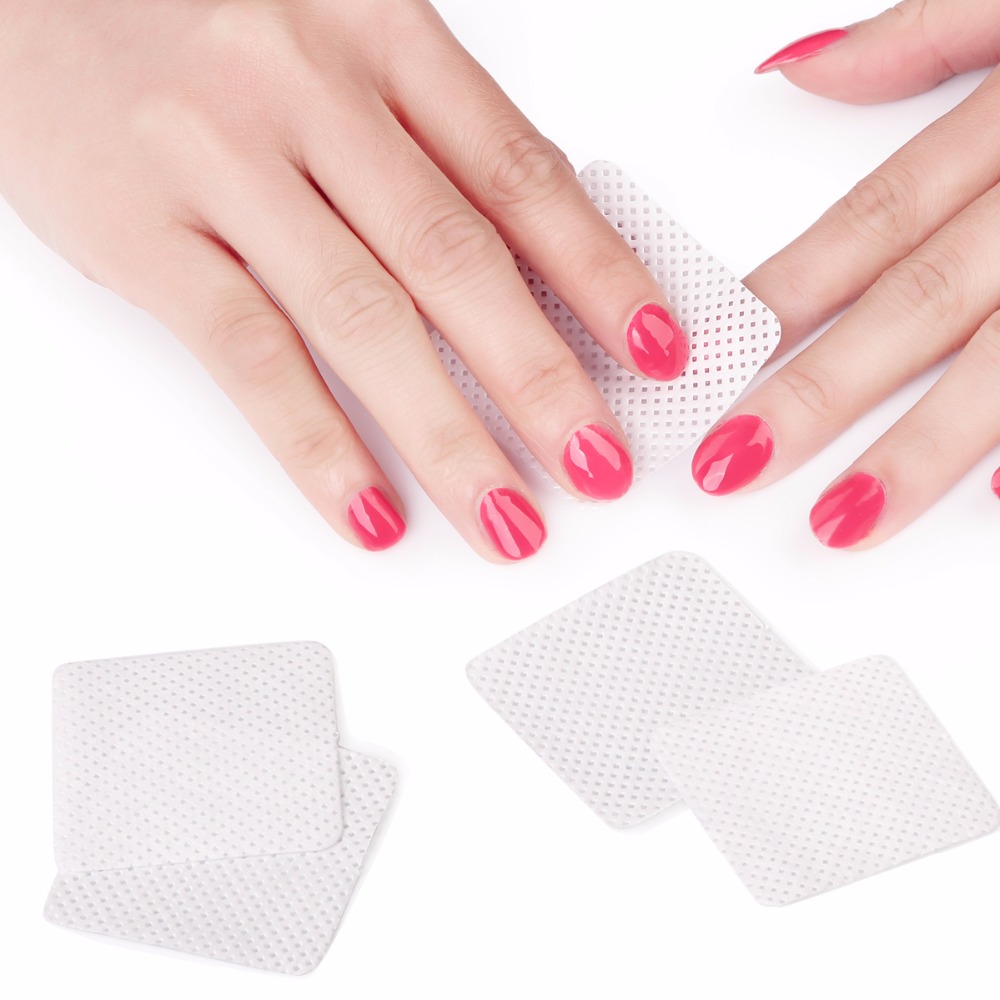
Structural Advantages of Nonwoven Fabrics: Nonwoven wipes utilize a cross-fiber, non-woven technology, resulting in high porosity and superior absorbency. They quickly absorb liquids and lock in stains, preventing dripping.
Cleaning Efficiency Comparison: Regular towels (especially cotton towels) tend to drip after absorbing water, and their cleaning power decreases with repeated use. Nonwoven wipes, on the other hand, are disposable, ensuring optimal cleaning performance with each wipe and eliminating the risk of secondary contamination from "washing a dirty cloth."
2. Hygiene, Safety, and Professionalism
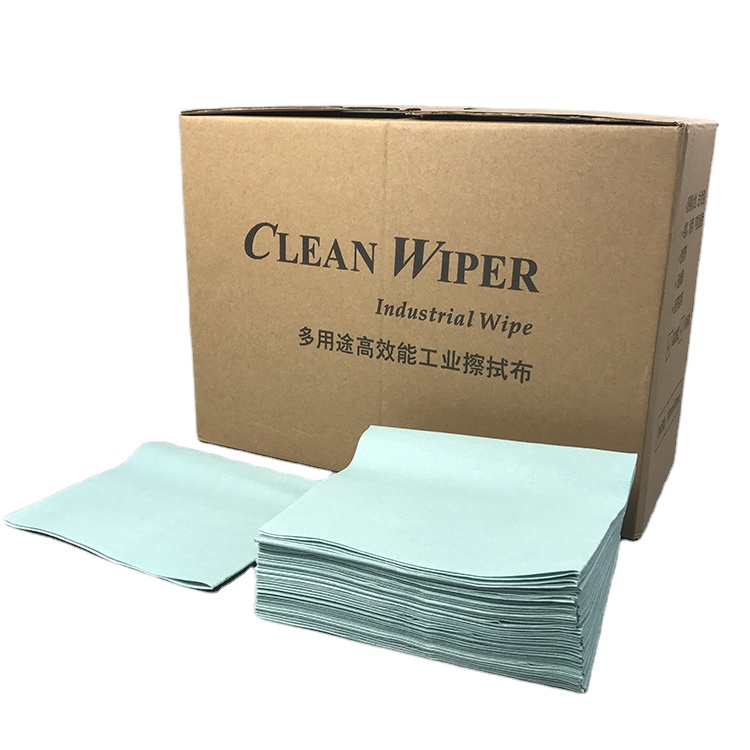
Advantages of Disposable Use: Ordinary towels require repeated washing, and incomplete cleaning can create a breeding ground for bacteria. Nonwoven Wipes, on the other hand, are designed for single use, making them particularly suitable for medical, laboratory, and industrial environments, significantly reducing the risk of cross-infection.
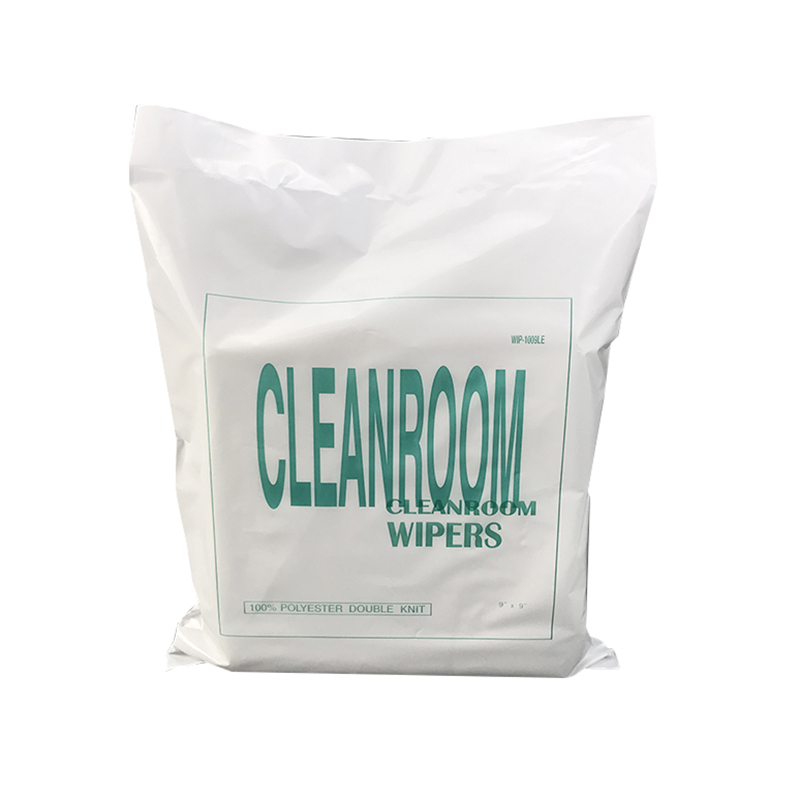
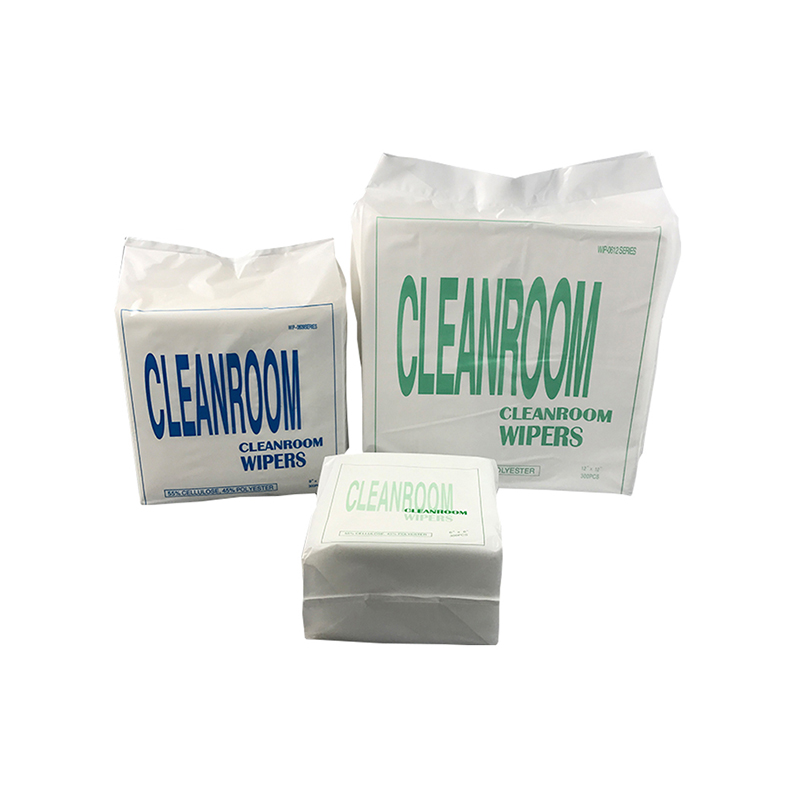
Cleanroom Standard Guarantee: Suzhou Jujie Electron Co., Ltd.'s cleanroom wipes meet ISO Class 5 and Class 6 standards, using high-end cleanroom materials to meet extremely stringent hygiene requirements—something ordinary towels cannot achieve.
3. Environmental Friendliness and Durability
Degradability and Lifespan: While ordinary towels are reusable, they are easily worn out during high-frequency cleaning (such as industrial degreasing). High-quality nonwoven wipes (such as those produced by Suzhou Jujie) use advanced nonwoven fabric technology, resulting in greater durability, and some products are designed to be biodegradable, reducing environmental burden.
Cost and Efficiency: In large-scale cleaning scenarios, using ordinary towels requires considering the cost and time of washing, drying, and disinfecting; using nonwoven wipes is disposable, saving time and effort, and maintaining continuous cleaning efficiency.
How to Preserve Nonwoven Wipes from Drying Out?
Nonwoven Wipes Storage Guide
To ensure that nonwoven wipes maintain optimal absorbency and cleaning power before use and prevent them from drying out and hardening, the following professional storage methods are recommended:
1. Sealed Storage
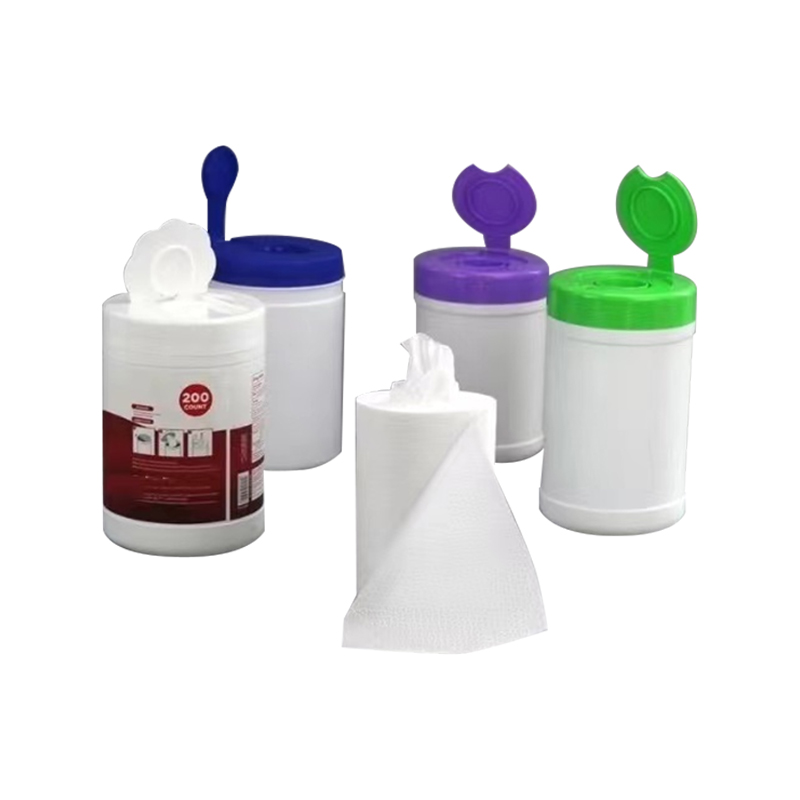
Use moisture-proof packaging: Nonwoven wipes should be returned to their sealed packaging bags or containers to prevent dust and moisture from entering, thus preventing contamination and moisture absorption.
Repackage and Seal: It is recommended to repackage the wipes into smaller packages, and reseal the packaging immediately after opening to prevent the remaining wipes from drying out.
2. Environmental Control
Avoid Light and Heat: The storage environment should be kept cool and dry, avoiding direct sunlight and high-temperature storage environments to prevent material deterioration or discoloration caused by high temperatures.
Ventilation and Mold Prevention: Ensure the storage environment is well-ventilated and moisture-free to prevent mold growth from exposure to damp conditions.
3. Emergency Resuscitation Techniques
Replenishment Method: If the wipes become slightly dry, add a small bottle of distilled water to the packaging bag, seal the bag, and let it sit. The steam will rehydrate the wipes, ensuring they remain moist.
Using Paper Towels to Absorb Moisture: When storing non-woven wipes, place a layer of kitchen paper towels inside to help absorb excess moisture, maintain humidity, and prevent bacterial growth.