

 中文简体
中文简体 Español
 русский
 Deutsch
 Français
Content
- 1 What ISO 14644 Actually Requires
- 2 Industry Add-Ons That Sit on Top of ISO 14644
- 3 The Paperwork an Auditor Actually Reads
- 4 Why Consumables Decide Whether You Keep the Status
- 5 Common Certification Failures
- 6 How Long Certification Really Takes
- 7 Frequently Asked Questions on Cleanroom Certification Requirements
Most cleanroom projects meet the certification question late in construction: the equipment is in, the filters are installed, the customer audit date is penciled in, and then someone asks the question that should have come first. What exactly are the cleanroom certification requirements, and who signs off on them?
The short answer, up front: you do not receive an "ISO cleanroom certificate." You receive a test report produced by an accredited body against ISO 14644-1, -2 and -3, layered on top of the regulations that govern your industry. It is continuous, not a one-off event, and its scope has to be defined and documented before an auditor asks about it.
This article breaks the scope into four things a buyer and a facility team must lock down early: the test list, the industry add-ons, the paperwork, and the consumables that decide whether the room keeps its status after it passes.
What ISO 14644 Actually Requires
ISO 14644 has many parts, but three of them decide the shape of a certification. Part 1 defines the cleanliness classes. Part 2 sets monitoring and re-qualification intervals. Part 3 defines the test methods themselves. The 2015 revision dropped the old US Federal Standard 209E mapping, so classes are now stated simply as ISO Class N.
Before you book a testing body, settle two things. First, the target class for each room, with the limit written against a specific particle size, usually 0.5 micron and sometimes 0.1 micron or 5 micron. Second, whether you are testing at-rest, operational, or as-built. A room that passes at-rest can fail the moment it is occupied and running.
The Core Test List
These are the items that should appear in any ISO Class 5 to Class 8 certification quotation. If one is missing, ask why.
| Test | Basis | Typical target | Re-test interval |
|---|---|---|---|
| Airborne particle count | ISO 14644-1 | Within limits of the chosen class | 6 to 12 months |
| Airflow velocity and uniformity | ISO 14644-3 | Unidirectional flow 0.3 to 0.5 m/s, plus or minus 20 percent | 12 months |
| Filter installation leak scan | ISO 14644-3 | No penetration above 0.01 percent of upstream challenge | 12 months, and after any filter change |
| Room pressure differential | ISO 14644-3 | 5 to 15 Pa between adjacent zones | Continuous monitoring |
| Temperature and relative humidity | Industry specification | Commonly within 1 degree C and 5 percent RH | Continuous monitoring |
| Lighting and noise | Industry specification | 300 to 750 lux, 65 dB(A) or lower | 12 months |
| Recovery or self-clean test | ISO 14644-3 | Roughly 100:1 decay within 15 minutes | Commissioning stage |
The step between classes is a factor of ten, not a small increment. Class 6 permits ten times the number of 0.5 micron particles that Class 5 permits, and Class 7 permits ten times more again. That is why overspecifying a class is easy and downgrading a room later is not.
On re-qualification, ISO 14644-2 does not hand you a fixed calendar. It requires you to set the interval from a risk assessment. In practice, cleanrooms sit at 12 months and the interiors of isolators and RABS sit at 6 months. When a customer contract states a shorter interval, the shorter one governs.
Industry Add-Ons That Sit on Top of ISO 14644
ISO 14644 tells you how to measure. It does not tell you what is good enough, and that part belongs to your sector's regulations.
- Sterile pharmaceuticals (EU GMP Annex 1): microbial monitoring is required alongside particle counting, covering settle plates, active air and surface sampling. Grade A and B areas carry the tightest acceptance criteria, and the 2022 revision added a formal contamination control strategy.
- US FDA cGMP: Parts 210 and 211 apply to sterile drug production. Cleanroom qualification sits inside a wider process validation, with a written protocol and deviation handling.
- Medical devices (ISO 13485): where a cleanroom is used for assembly or packaging, quality system expectations run in parallel with ISO 14644.
- Semiconductor and electronics: SEMI standards plus IEST recommended practices, with static control managed under ANSI/ESD S20.20 alongside particle cleanliness.
- Laboratories and biosafety: NSF/ANSI 49 applies to cabinets, layered over ISO 14644 classification.
- Food and beverage: ISO 22000 or FSSC 22000, plus HACCP plans that specify controlled zones.
One practical point. When a single site serves both pharmaceutical and electronics customers, the acceptance criteria default to whichever is stricter, and that logic belongs in the validation plan. Auditors ask why a standard was chosen and how it maps to the customer requirement.
The Paperwork an Auditor Actually Reads
Passing the tests and filing the report is not the end of the job. These are the documents that get pulled apart:
- A validation master plan covering each zone and each test
- Particle count reports with the sampling point layout attached
- Filter integrity scan records traced to individual filter positions
- Calibration certificates for every anemometer, particle counter and manometer used on the test day
- Deviation logs with corrective actions, including the ones that looked minor
- A re-qualification schedule and the completion date of the last one
- Training records for operators and maintenance staff
Calibration paperwork is the most common gap. If a particle counter was past its calibration date on the day of testing, the whole report becomes arguable.
Why Consumables Decide Whether You Keep the Status
A certified cleanroom that loses its status because of the wrong wipe happens more often than most people will admit. Standard woven cloth sheds fibres, low-grade wipes release particles, and garments that are not built for the class shed during donning while also generating static in exactly the wrong place.
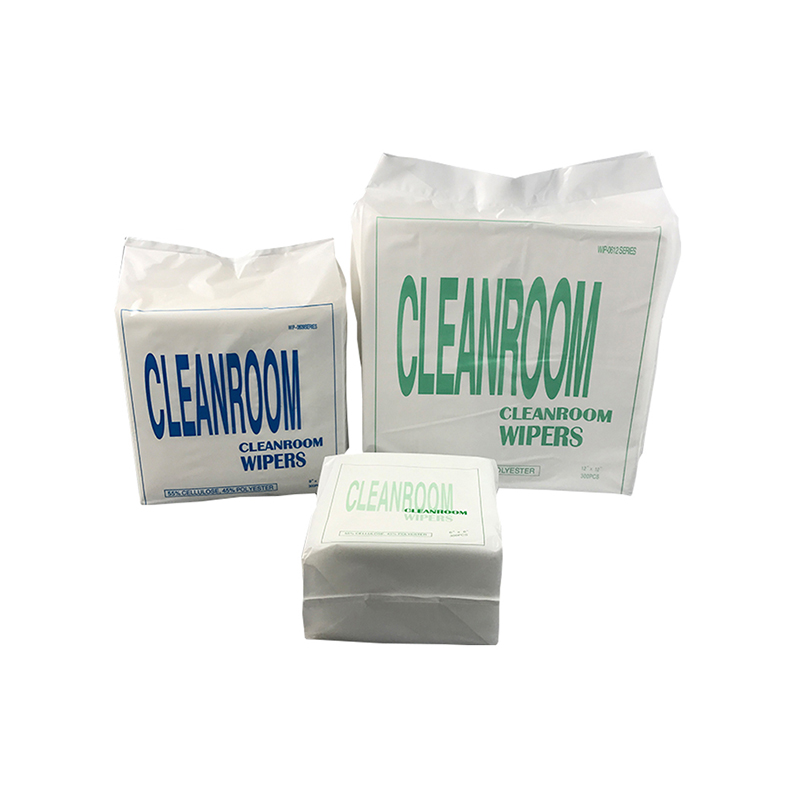
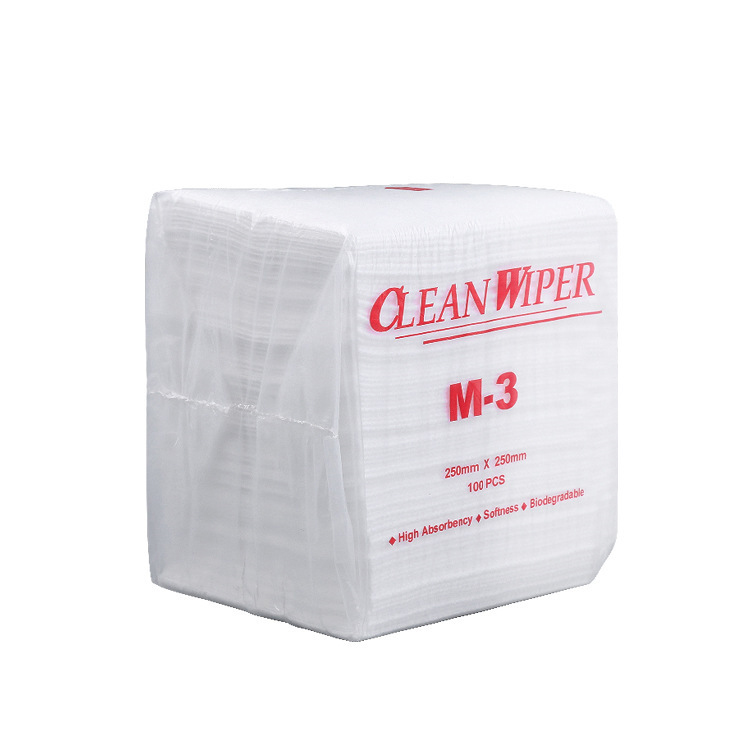
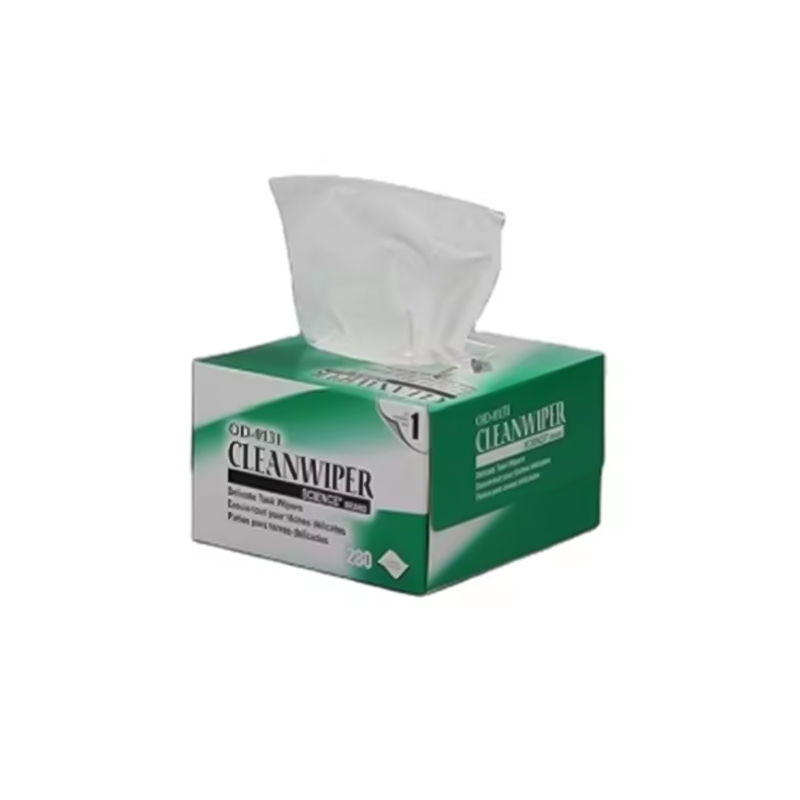
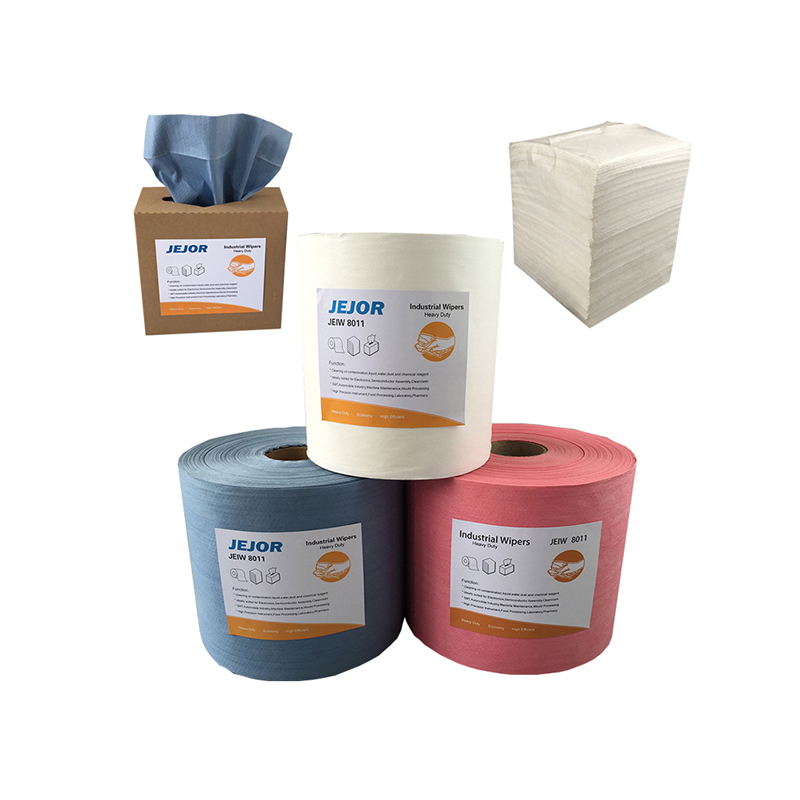
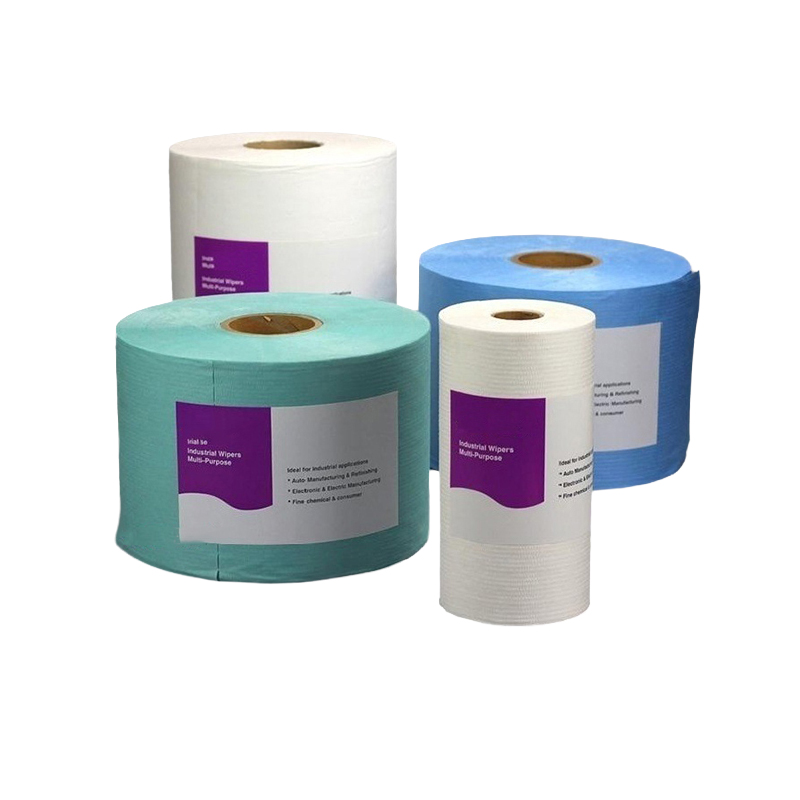
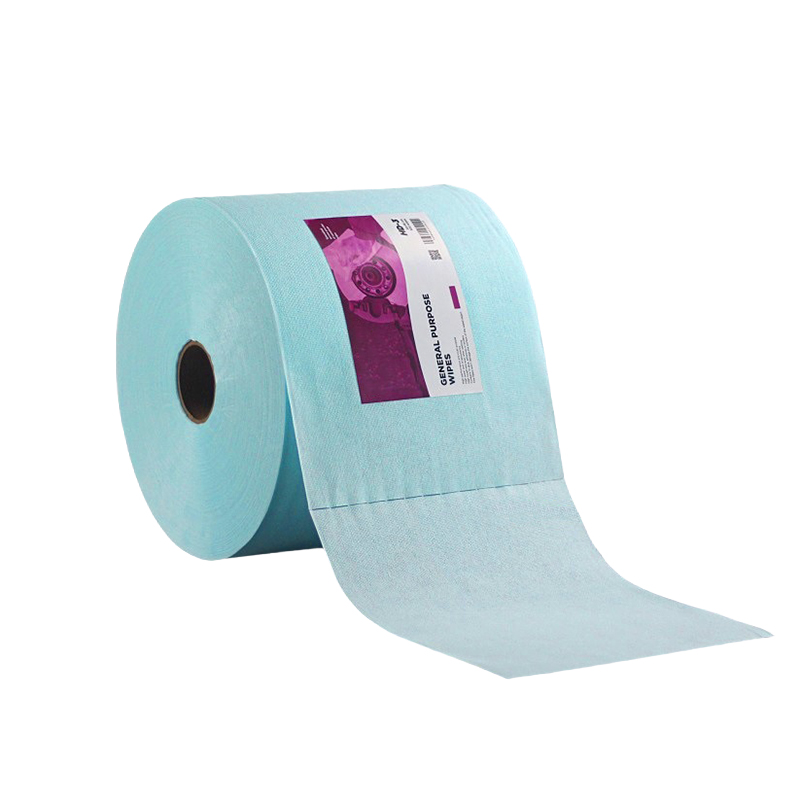
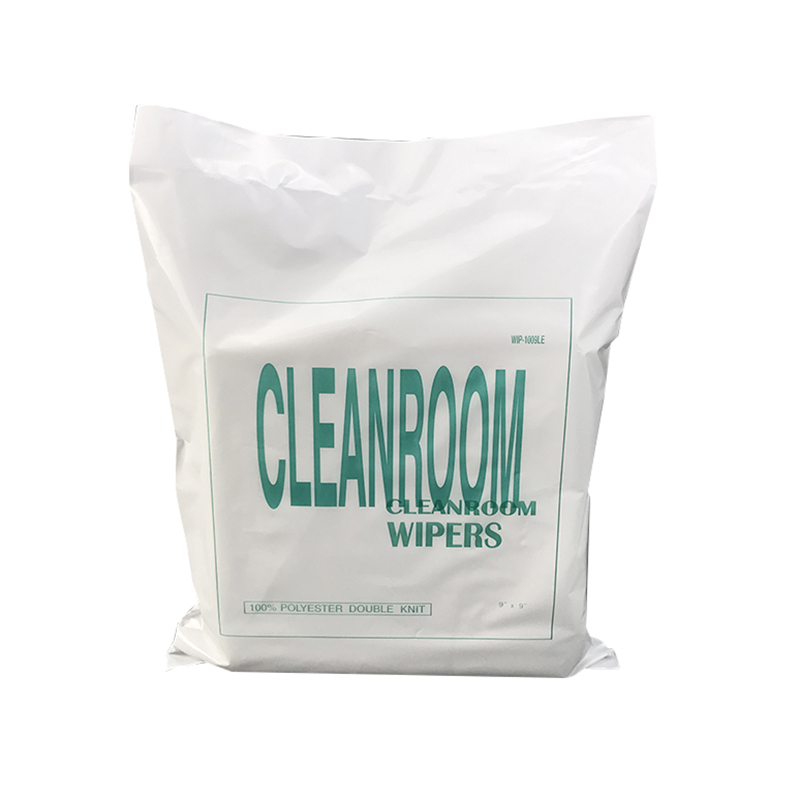 Cleanroom Wiper Range for Particle and Absorbency ControlBrowse polyester, microfiber, ESD and submicrofiber wipers for electronics, medical, optical and cleanroom use, selected for particle shedding and absorbency.View Product →
Three factors drive wiper selection: particle and fibre shedding, liquid absorbency, and compatibility with the disinfectants in use. A validation report proves the room met ISO Class 5 on the test day, but it carries little weight if every wipe releases particles. Whether a cleanroom wiper releases more particles during cleaning is a question that resurfaces in re-qualification and change control, so it is worth answering before the material is released to the floor.
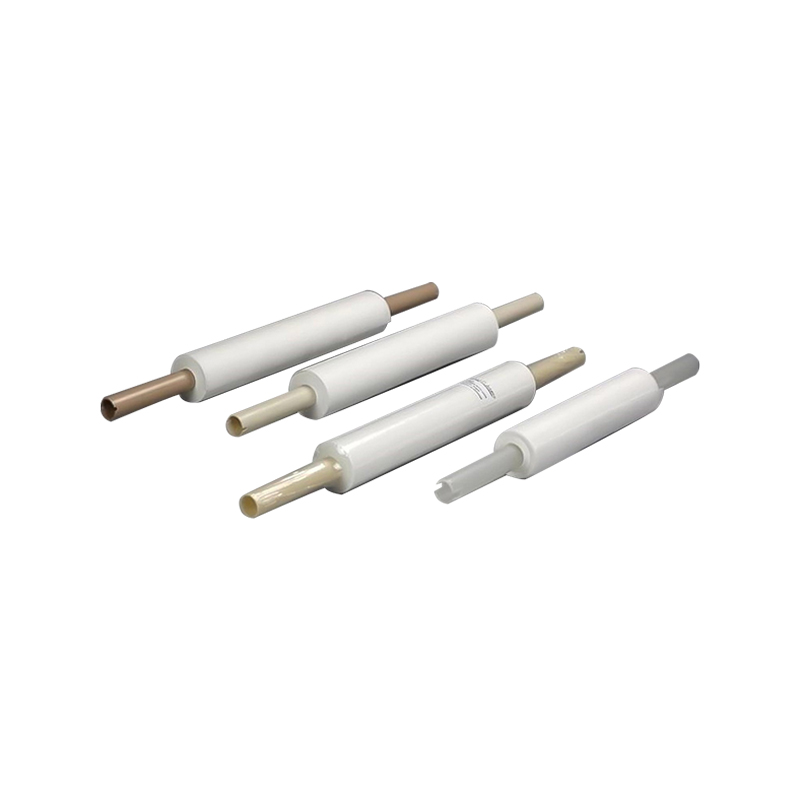
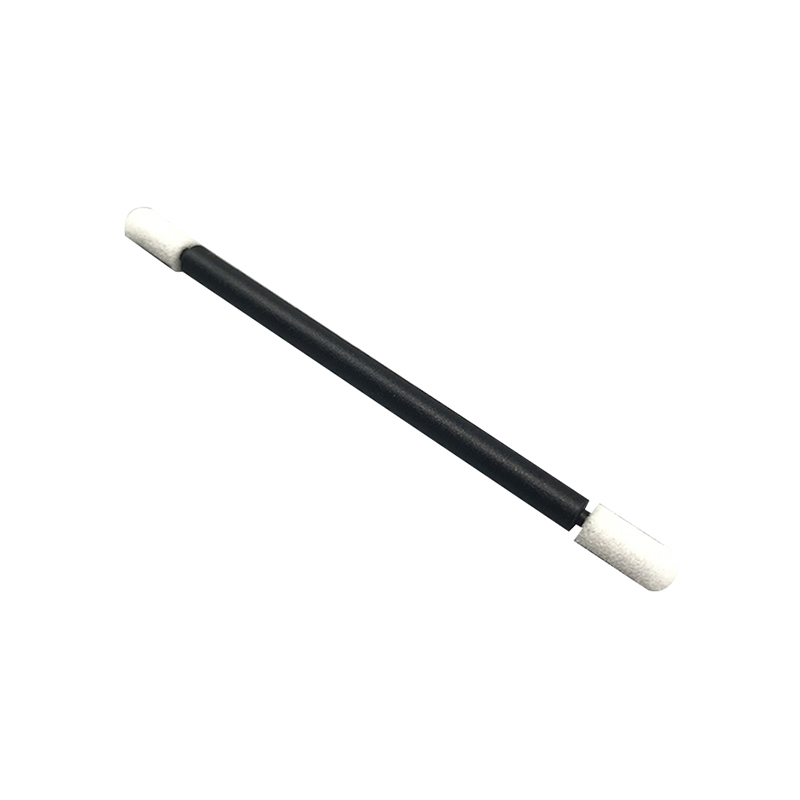 Cleanroom Swabs with Foam, Polyester and ESD OptionsCompare foam, polyester and cloth-tip swabs with PP, ABS or ESD-safe handles for sensors, optics, print heads and precision cleaning.View Product →
For sensors, optics and print heads, the swab tip and shaft decide whether the tool cleans or contaminates. Polyester tips, open-cell foam, sponge heads, and paper or plastic shafts each suit different surfaces and solvents. Align that choice with the contamination control objective before the purchase order is signed, not after a re-test fails.
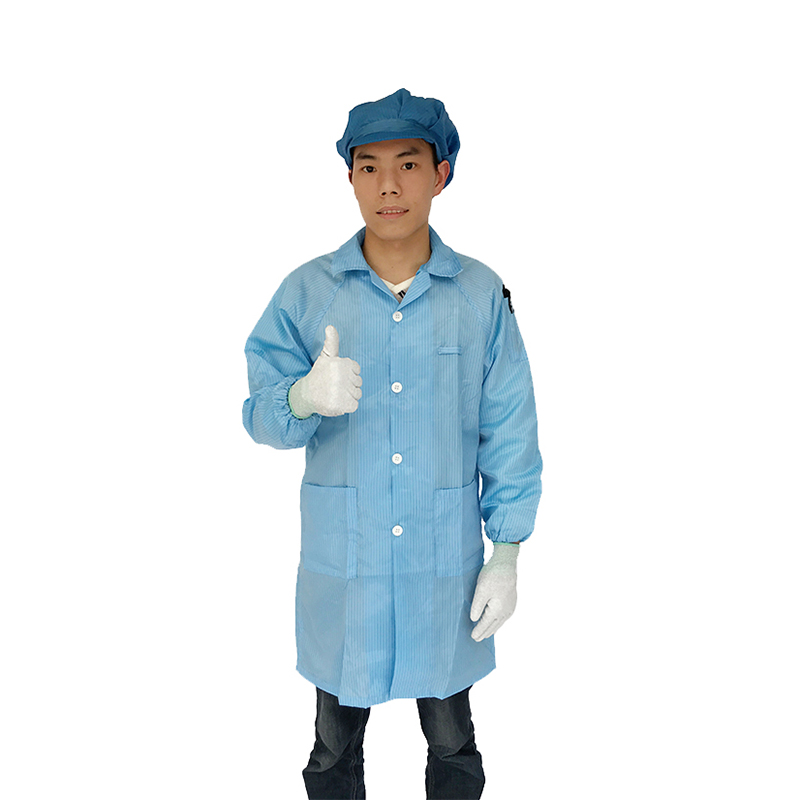 Antistatic ESD Clothing for Cleanroom and Static ControlExplore ESD gowns, smocks, jackets, hooded jumpsuits and aprons to control personnel-generated particles and static in controlled environments.View Product →
People are the single largest particle source in a cleanroom. Hooded jumpsuits, gowns and gloves are the controllable variable, and they should be selected against the room class and the static sensitivity of the product, not against unit price alone.
Common Certification Failures
- Counting particles under operating conditions but judging the result against at-rest limits.
- Using fewer sampling locations than ISO 14644-1 requires, where the count is derived from the square root of the room area.
- Scanning filters at installation and never again after a filter change.
- Manometers that were never calibrated, or were installed facing the wrong direction.
- Cleaning and gowning SOPs that are well written but were never trained against.
- A re-qualification date that passed without anyone noticing, because nothing tracked it.
The last one stings the most. Once the re-test date lapses, an auditor sees a room of uncertain status, even if it is still genuinely clean.
How Long Certification Really Takes
For a single-zone cleanroom, a realistic schedule looks like this:
- Book the testing body three to four weeks before construction completion.
- On-site testing itself runs one to two days, depending on room count and scope.
- Allow five to ten working days for the report to be issued.
- Add one to three weeks for every round of deviation correction.
A multi-zone facility with isolators or RABS can consume 8 to 12 weeks just for qualification execution, assuming first-pass success. If an audit date is already pinned to the wall, that timetable does not compress. Lock the testing body early rather than gambling on the schedule and the paperwork at the same time.
Frequently Asked Questions on Cleanroom Certification Requirements
How long does cleanroom certification stay valid?
Typically six to twelve months, depending on class and industry. ISO 14644-2 requires the interval to be set from a risk assessment. Pharmaceutical Grade A and B areas are usually run at six months, while most electronics and general manufacturing rooms run at twelve. Customer contracts sometimes specify shorter.
Does ISO issue a cleanroom certificate?
No. ISO publishes standards and does not certify facilities. Certification in practice is a report issued by an accredited testing body applying the methods in ISO 14644-3, plus EU GMP Annex 1 or FDA cGMP where pharmaceutical rules apply. Bodies such as NEBB certify the testing firms themselves, not an individual room.
What causes most certification failures?
Usually consumables and operator habits rather than hardware. A wiper that sheds, or a gowning routine that is not followed, shows up in every re-test. Fixing the consumable specification and the daily routine is the cheapest way to keep a certified cleanroom certified. If you are preparing for a re-test, or need consumables matched to your room class, get in touch with us.