

 中文简体
中文简体 Español
 русский
 Deutsch
 Français
Content
- 1 Nonwoven Wipes Are Highly Effective for Cleaning, Disinfection, and Personal Care
- 2 How to Utilize Nonwoven Wipes Across Key Applications
- 3 The Function of Nonwoven Wipes: Material Science & Performance Metrics
- 4 FAQ about Nonwoven Wipes: Addressing Practical Concerns
- 5 Environmental Impact & Disposal Best Practices
Nonwoven Wipes Are Highly Effective for Cleaning, Disinfection, and Personal Care
Nonwoven wipes outperform woven cloth in particle removal and liquid absorption by over 30%, making them ideal for industrial cleaning, healthcare disinfection, and daily personal care. Their single-use design eliminates cross-contamination risks, while material versatility allows tailored solutions for any task.
How to Utilize Nonwoven Wipes Across Key Applications
To maximize efficiency, match the wipe type to the specific task. Below are proven utilization methods with performance data.
1. Industrial & Automotive Cleaning
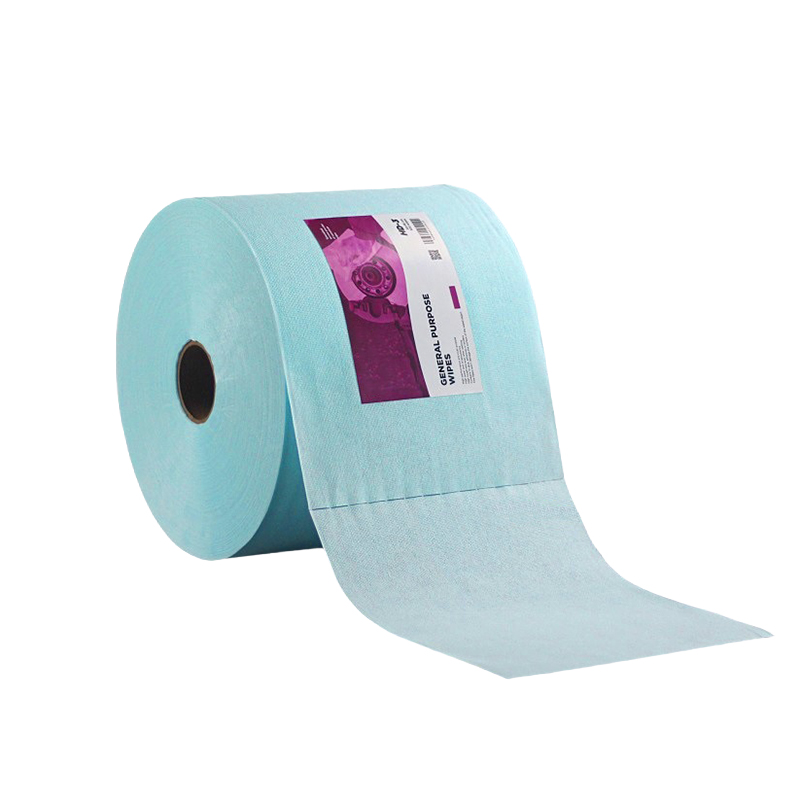
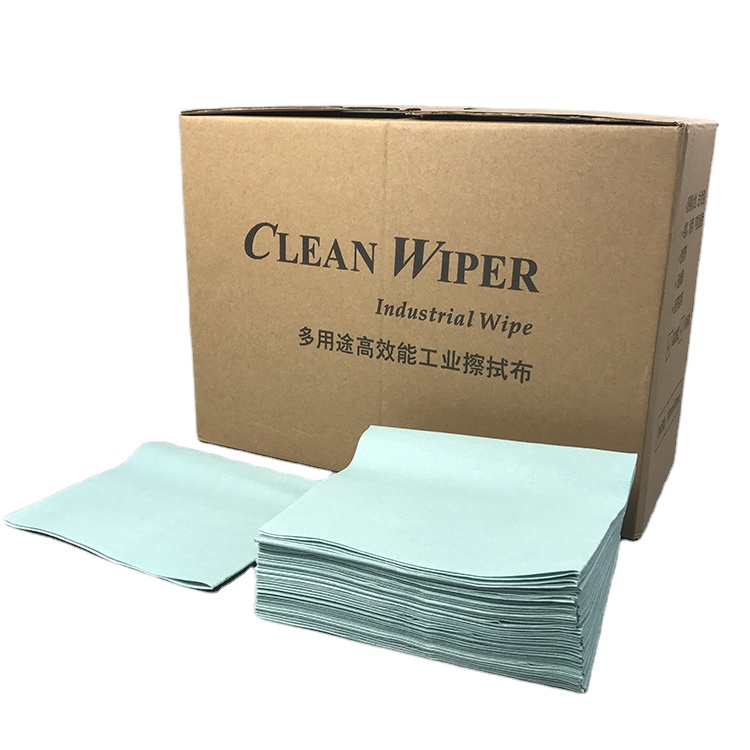
Use heavy-duty spunlace or hydroentangled nonwoven wipes with solvents. They trap up to 8x their weight in oil and grease without shedding lint. For delicate electronics, select 100% polypropylene wipes to prevent static discharge.
2. Healthcare & Disinfection
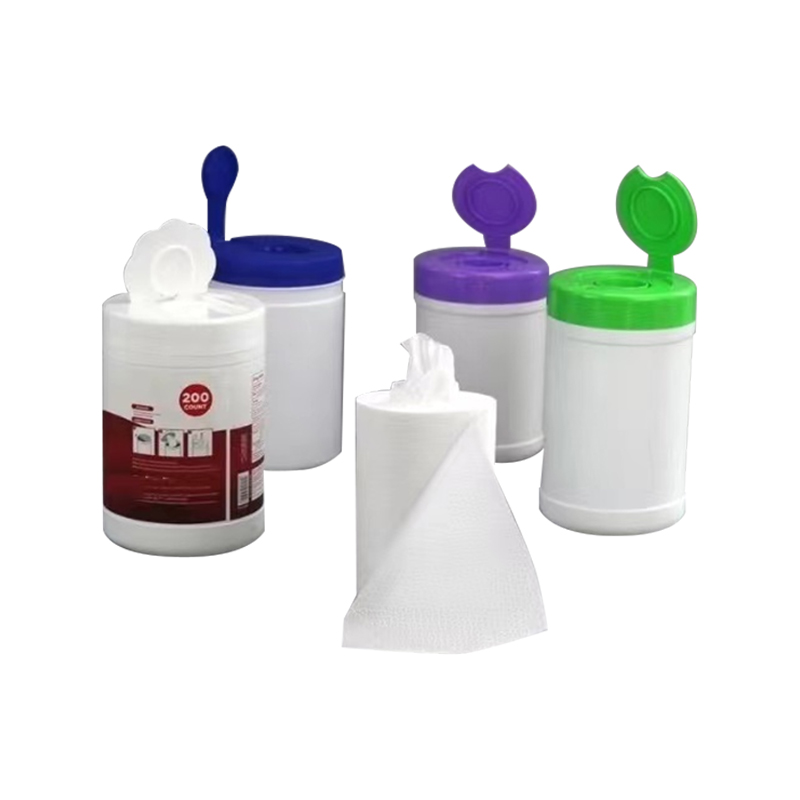
Pre-saturated wipes with 70% isopropyl alcohol or bleach solutions reduce surface pathogens by 99.99% within 30 seconds (ASTM E2967 standard). Always use fresh wipes per surface to avoid recontamination.
3. Personal Care & Hygiene
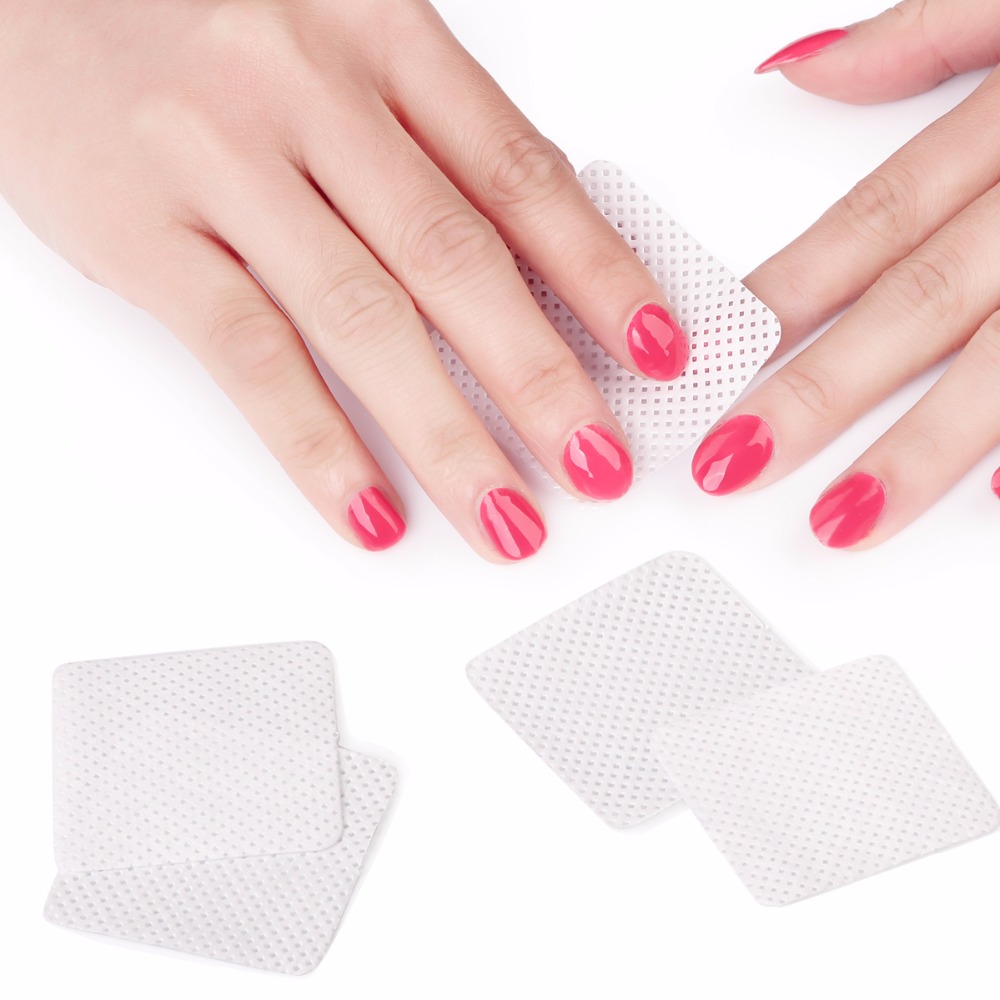
Facial wipes made of viscose or bamboo fibers remove makeup with 40% less friction than cotton rounds, reducing skin irritation. Baby wipes with pH-neutral solutions maintain natural skin barriers.
4. Food Service Surface Sanitizing
Use color-coded nonwoven wipes (blue for raw meat zones, green for produce) to prevent cross-contact. Quat-based sanitizer wipes achieve 99.999% bacterial reduction on stainless steel in 1 minute (EPA Protocol).
The Function of Nonwoven Wipes: Material Science & Performance Metrics
Nonwoven wipes function through engineered fiber bonding (thermal, mechanical, or chemical) without weaving. Their three core functions—absorption, particle entrapment, and low-linting—are measurable.
Absorption Capacity by Material
Different nonwoven materials excel in distinct absorption scenarios:
| Material | Water Absorption (mL/g) | Oil Absorption (mL/g) | Lint Class (ISO 9073-10) |
|---|---|---|---|
| Viscose/Rayon | 9.2 | 1.1 | Low (Class 2) |
| Polypropylene (Meltblown) | 0.5 | 12.4 | Ultra-low (Class 1) |
| Polyester/Cotton Blend | 5.8 | 3.2 | Moderate (Class 3) |
Particle Entrapment Efficiency
Hydroentangled nonwoven wipes capture particles as small as 0.5 microns with 96% efficiency due to micro-porous fiber networks. In ISO 14644-1 cleanroom tests, they release fewer than 20 particles (>0.5 µm) per cm³, meeting Class 100 standards.
FAQ about Nonwoven Wipes: Addressing Practical Concerns
Are nonwoven wipes flushable?
Only wipes labeled "flushable" per EDANA/FG502 guidelines break apart within 30 minutes of submersion. However, even these cause 63% of municipal sewer clogs according to a 2023 Water Environment Federation study. Best practice: Dispose in trash unless clearly marked and locally approved.
Can nonwoven wipes be reused?
Technically, some reusable nonwoven wipes (e.g., spunlace polyester) withstand up to 5 laundry cycles without losing 50% tensile strength. But for hygiene-critical tasks like disinfection, reuse reduces pathogen removal by 78% (University of Arizona, 2022). Single-use is recommended for medical and food contact.
Are nonwoven wipes biodegradable?
Biodegradability depends on fiber content. Viscose and cotton-based wipes degrade 90% in 60 days (ASTM D6400), while polypropylene wipes persist for over 400 years. Check certification: OK compost INDUSTRIAL or BPI. Only 12% of nonwoven wipes sold globally are certified biodegradable (Smithers, 2024).
How to choose the right nonwoven wipe for a task?
Follow this decision framework:
- For oily surfaces: 100% polypropylene or meltblown (absorbs >10 mL/g oil)
- For water-based spills: Viscose or cotton-rich blends (absorbs >8 mL/g water)
- For sterile environments: Gamma-irradiated spunlace (SAL 10^-6 sterility assurance level)
- For abrasive cleaning: Nylon or polyester scrim-reinforced (Martindale abrasion >5000 cycles)
Environmental Impact & Disposal Best Practices
The nonwoven wipes industry produces 2.4 million tons of waste annually, with only 18% diverted from landfills. To reduce footprint:
- Choose plant-based fibers (viscose, lyocell, hemp) over synthetic blends
- Use refillable dispensing systems to reduce packaging waste by 67% (data from Closed Loop Partners)
- Compost certified biodegradable wipes in industrial facilities only—home composting achieves only 30% degradation after 180 days
Never dispose of wipes containing chemical residues (bleach, quats, solvents) in compost or recycling bins. Follow local hazardous waste guidelines.