

 中文简体
中文简体 Español
 русский
 Deutsch
 Français
Content
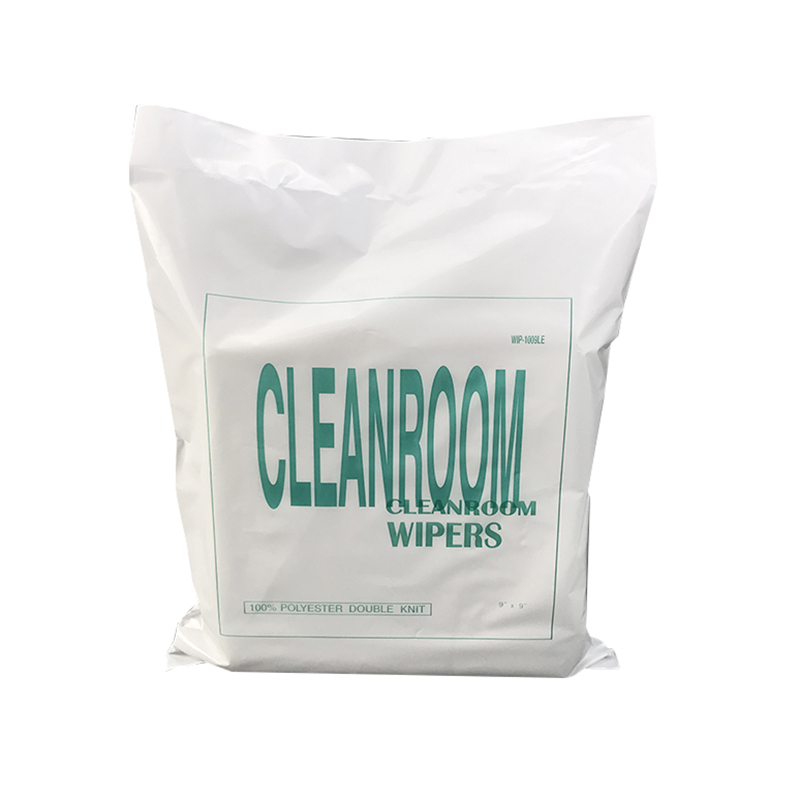
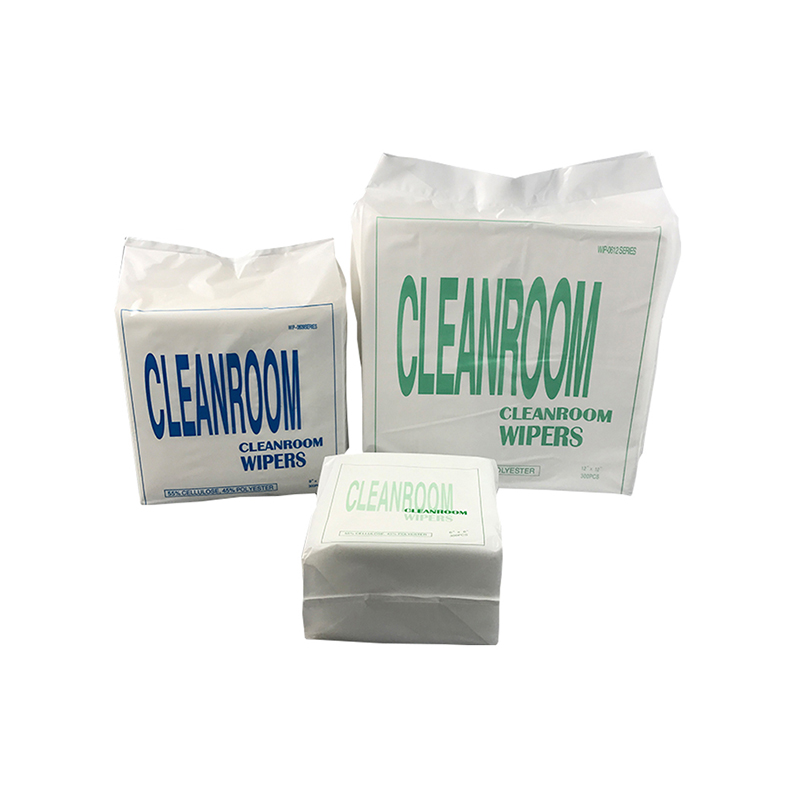
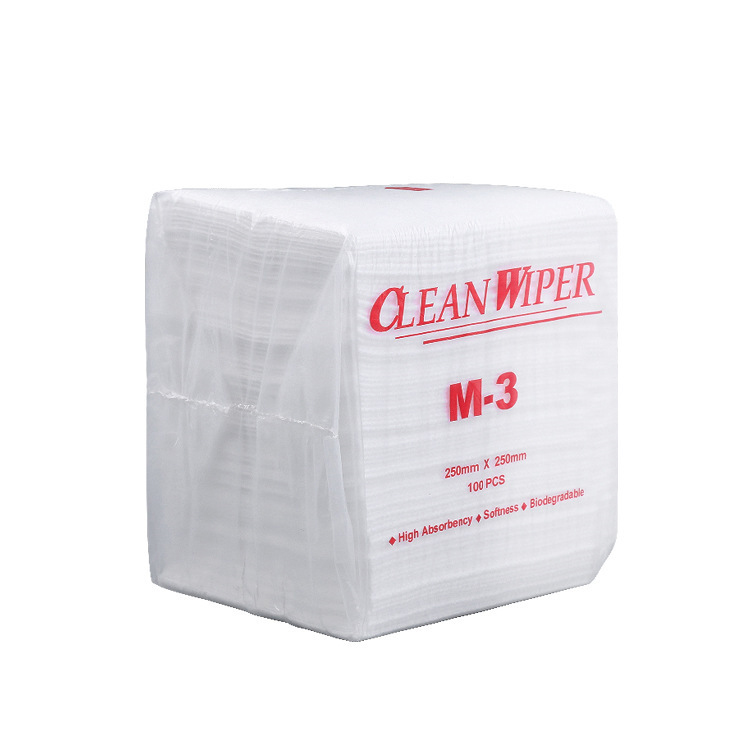
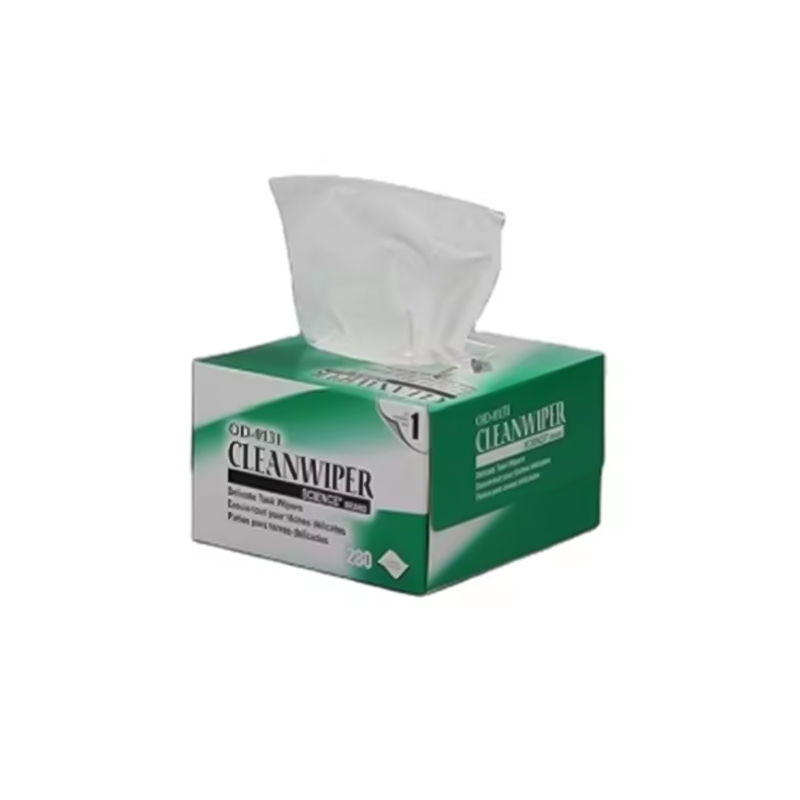
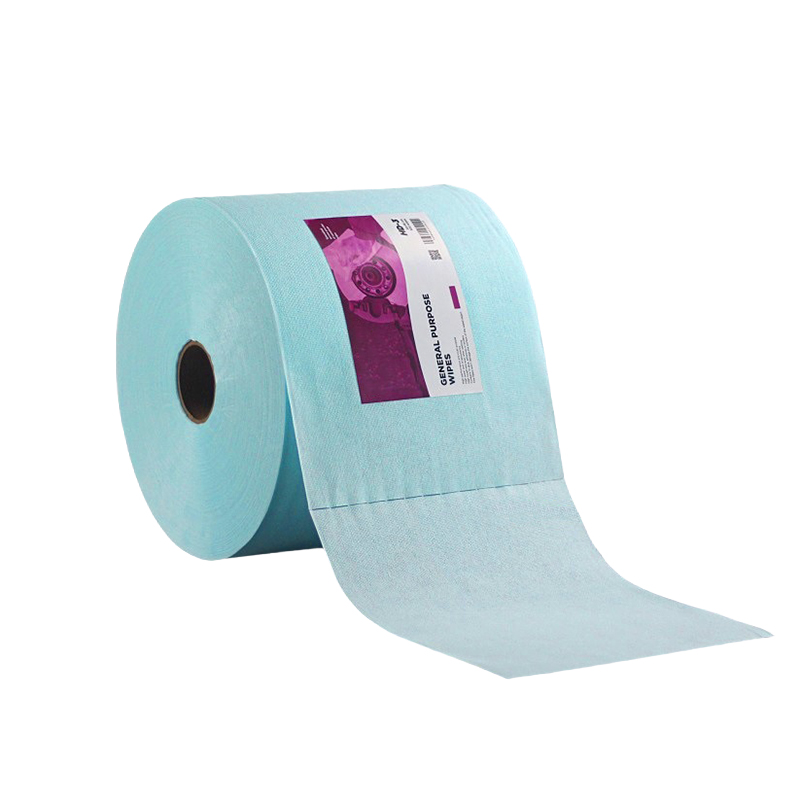
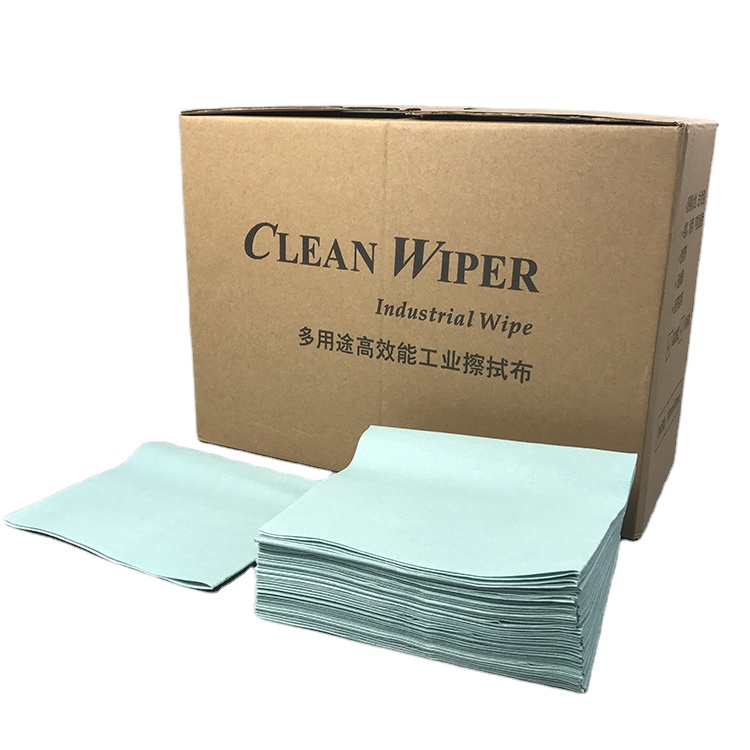
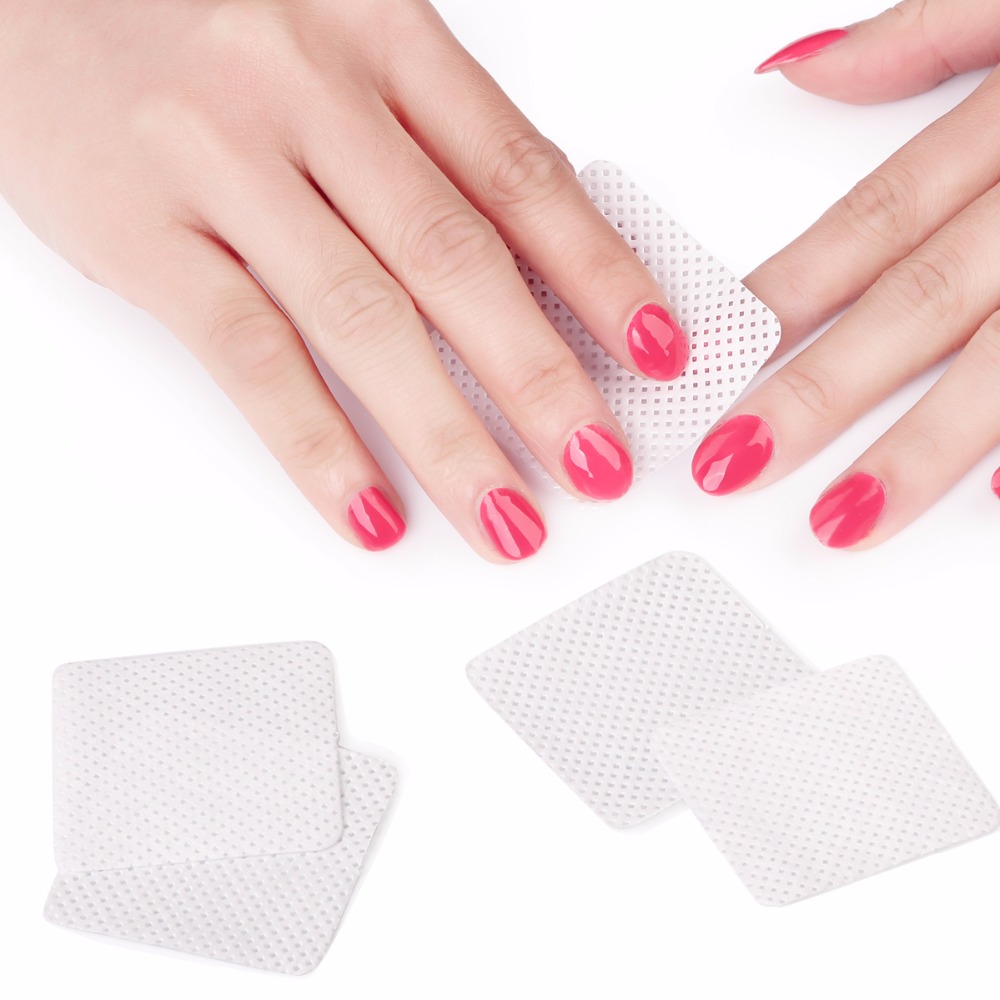
A cleanroom wiper is a specialized, engineered consumable designed to remove contamination from surfaces in controlled environments without introducing new contaminants such as particles, fibers, ionic residues, or non-volatile residues (NVR). Unlike conventional cleaning cloths, cleanroom wipers are manufactured, processed, and packaged to meet stringent ISO cleanliness standards, ensuring they maintain the integrity of sensitive manufacturing and research environments.
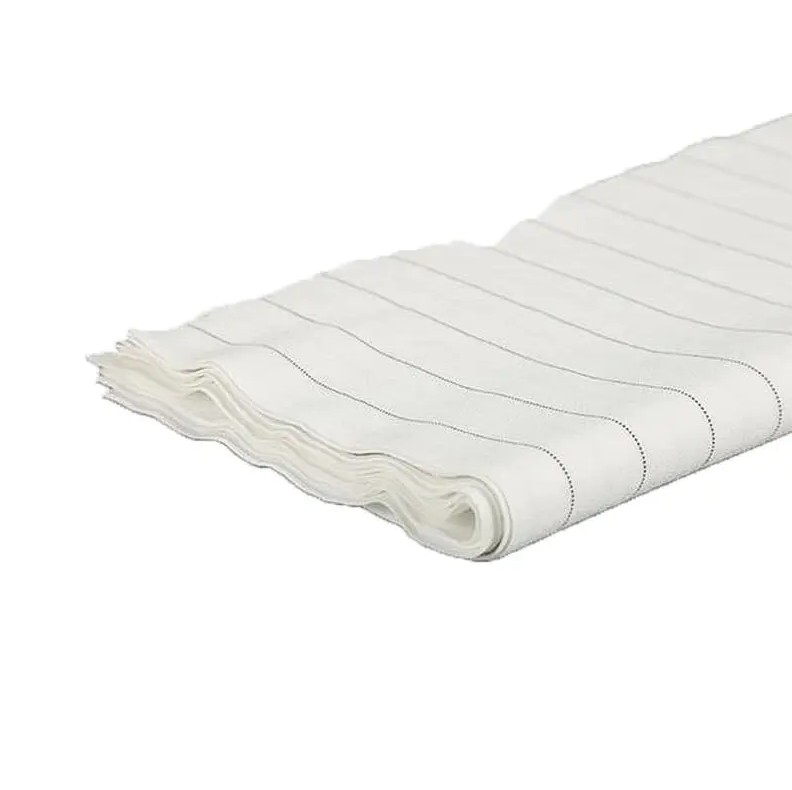
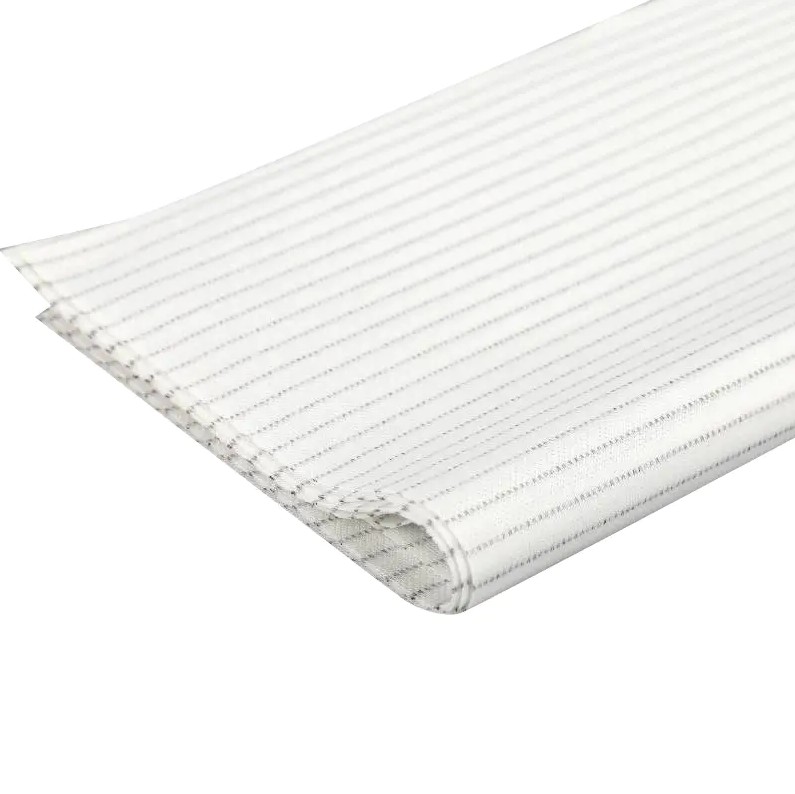
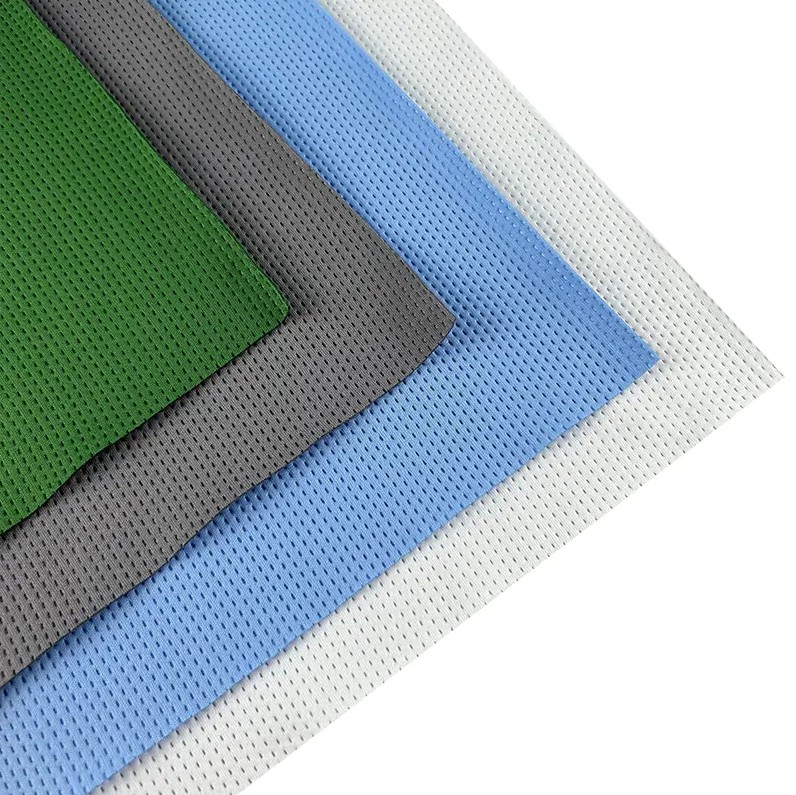
Cleanroom wipers are categorized by their material construction—primarily knit polyester, nonwoven blends (polyester/cellulose), cotton, polypropylene, and microfiber—each offering specific performance characteristics for different ISO classes and applications. For example, knit polyester wipers are typically recommended for ISO Class 3–4 environments due to their low particle release and durability, while nonwoven poly-cellulose blends are commonly used in ISO Class 6–7 support areas where absorbency is prioritized.
Steps for Using a Cleanroom Wiper
Proper technique is critical to ensure the wiper removes contamination rather than redistributes it. The following standardized procedure applies to most critical wiping applications:
Preparation and Introduction
- Bring wipers into the cleanroom following your facility's Operational Control Procedures (OCP), including outer packaging removal, staging, and proper storage.
- Stage only the quantity needed for the immediate task to prevent contamination of unused wipers.
- Don appropriate cleanroom gloves—typically ISO Class 5 (Class 100) compatible nitrile or polyisoprene gloves—to prevent particle transfer during handling.
Folding and Wiping Technique
- Quarter-fold the wiper to create multiple clean faces (typically 8 faces per 9"×9" wiper).
- If using solvents, apply the solution to achieve a damp (not saturated) state to prevent dripping and residue migration.
- Use straight-line, unidirectional strokes (top-to-bottom or left-to-right) with consistent, light-to-moderate pressure.
- Follow a clean-to-less-clean flow pattern—wipe from the cleanest zone toward the dirtiest zone without backtracking.
- Rotate to a fresh face after each pass; never re-wipe with a loaded surface.
Change-Out and Disposal
- Discard the wiper immediately when it becomes visibly soiled, tacky, or begins leaving streaks.
- Dispose of used wipers in designated waste streams; never stage used wipers on benches or carts.
- For sterile applications, maintain aseptic technique throughout the process.
Key Considerations When Using Cleanroom Wipers
Environmental Matching
Select wipers based on your ISO 14644-1 classification. ISO Class 5 environments (allowing 3,520 particles/m³ at ≥0.5 µm) require wipers with documented low particle and fiber release, while ISO Class 7 environments (352,000 particles/m³) may tolerate higher absorbency options with less stringent particle controls.
Chemical Compatibility
Verify wiper compatibility with your cleaning chemistry—isopropyl alcohol (IPA), quaternary ammonium compounds (quats), bleach, phenols, or aggressive solvents. Polyester wipers generally offer excellent chemical resistance, while cotton wipers may degrade or release fibers when exposed to certain oxidizers.
Edge Construction
Edge treatment significantly impacts particle release. Thermally sealed edges and laser-cut edges minimize fiber shedding compared to knife-cut edges. For critical applications where edge-driven contamination is a risk, select sealed-border polyester wipers.
Static Control
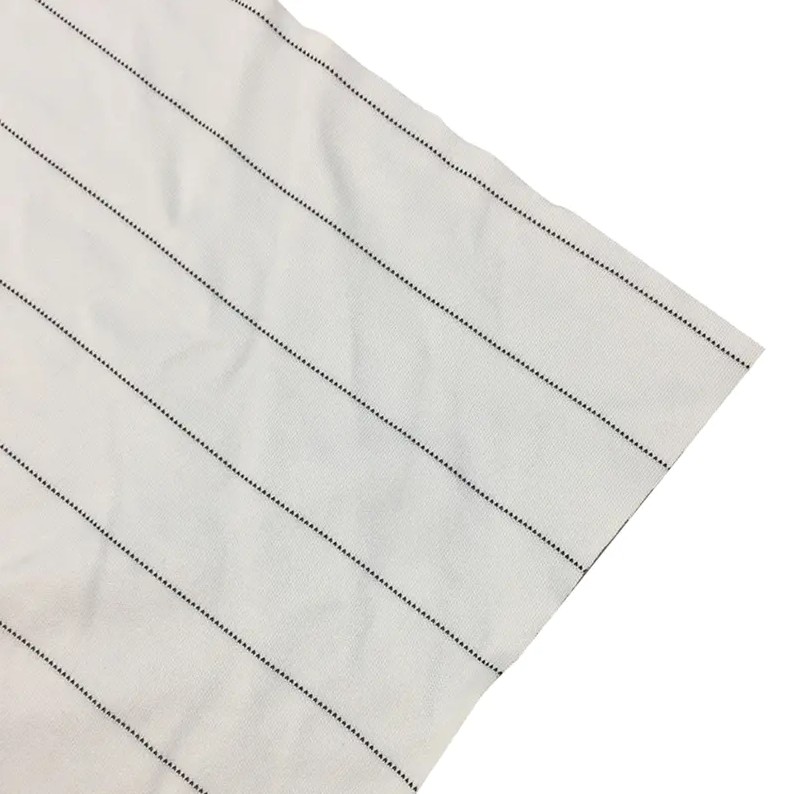
In electronics manufacturing, use ESD-safe wipers with surface resistivity between 10⁴–10¹¹ ohms/sq to prevent electrostatic discharge damage to sensitive components.
How Cleanroom Wipers Differ from Regular Cleaning Cloths
The distinction between cleanroom wipers and conventional cleaning cloths is fundamental and non-negotiable in controlled environments:
| Attribute | Cleanroom Wiper | Regular Cleaning Cloth |
|---|---|---|
| Particle Release | Engineered for minimal particle/fiber shedding; tested per ASTM E2090 | No controlled particle release; typically high linting |
| Manufacturing Environment | Produced in cleanroom conditions; cleanroom laundered and packaged | Standard industrial manufacturing; no cleanliness controls |
| Standards Compliance | IEST-RP-CC004, ISO 14644, USP <797>, EU GMP Annex 1 | No regulatory compliance for controlled environments |
| Residue Control | Low NVR and ionic extractables documented per lot | Unknown chemical residues; surfactants, softeners common |
| Packaging | Double-bagged, vacuum-sealed; sterile options available | Standard packaging; no contamination barriers |
| Intended Use | Semiconductor, pharmaceutical, aerospace, and medical device manufacturing | General facility maintenance, household cleaning |
Using regular cleaning cloths in a cleanroom introduces unacceptable contamination risks, including elevated particle counts, fiber deposition, and ionic contamination that can cause product defects or regulatory non-compliance.
How to Choose the Right Cleanroom Wiper
Selection should follow a systematic workflow to match the wiper to your specific risk profile:
Step 1: Define Environment and Regulatory Context
Identify your ISO class (3–9) and regulatory framework (EU GMP Annex 1 for sterile manufacturing, USP <797> for compounding, IEST-RP-CC004 for general cleanroom operations). Higher-grade areas require wipers with documented low releasables and validated sterile packaging.
Step 2: Match Material to Application
- Semiconductor wafer handling: Woven microfiber or sealed-edge polyester knit for ultra-low particle shedding
- Pharmaceutical aseptic processing: Gamma-sterilized, low-endotoxin polyester wipers in sealed pouches
- High-temperature equipment cleaning: Cotton twill wipers (autoclavable, heat-tolerant up to 200°C+)
- Spill control and maintenance: High-absorbency polyester/cellulose blends or 2-ply polyester
- Optics and delicate surfaces: Nylon knit or microfiber with non-abrasive surfaces
Step 3: Evaluate Performance Metrics
Request documentation, including:
- Particle and fiber release data (per ASTM E2090)
- Non-volatile residue (NVR) and ionic extractables (Na⁺, Cl⁻, K⁺)
- Absorbency capacity (mL per wiper)
- Chemical compatibility matrix
- Certificates of Compliance (CoC) and lot traceability
Step 4: Format Selection
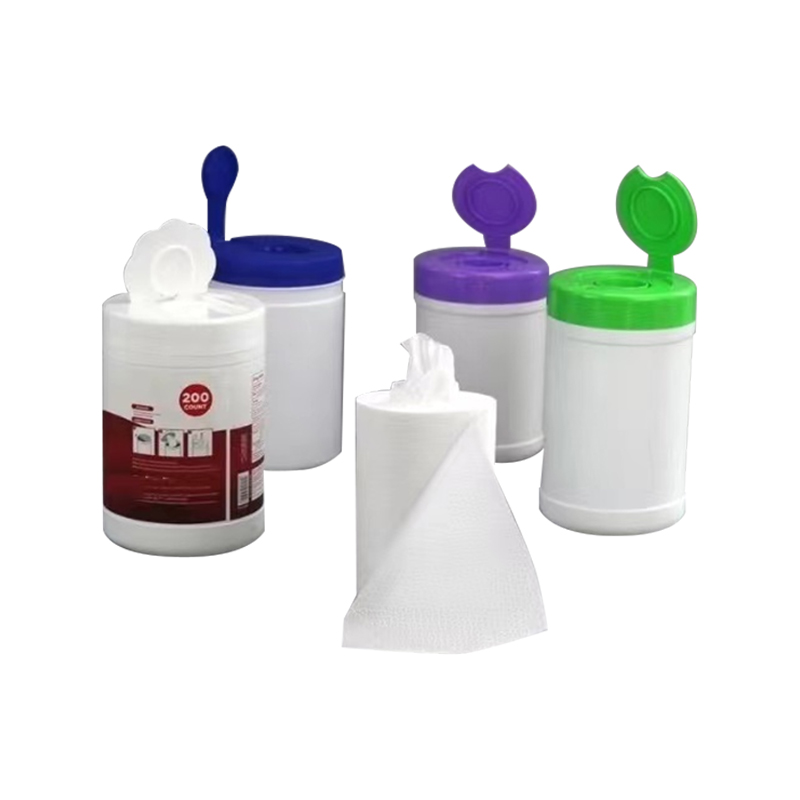
Choose dry wipers for flexibility in solvent selection, or pre-saturated wipers (typically 70% IPA) for consistency and reduced handling. Pre-saturated options are particularly valuable for standardizing disinfection protocols across large teams.
Frequently Asked Questions About Cleanroom Wipers
Are cleanroom wipers truly "lint-free"?
No wiper is truly lint-free. Industry marketing often uses this term loosely. Technical selection should rely on measured "low-linting" performance data—specifically particle and fiber release counts per ASTM E2090 testing methods.
Can I use a non-sterile wiper in a sterile environment?
No. If your workflow requires sterility per EU GMP Annex 1 or USP <797>, you must use validated sterile wipers. Do not substitute non-sterile wipers even if you plan to autoclave them yourself—in-house sterilization requires cycle qualification, post-cycle performance verification, and documentation controls that often exceed the cost of pre-sterilized products.
How often should I change the wiper during use?
Change immediately when the wiper becomes visibly loaded, tacky, or begins leaving residue. As a rule of thumb, use one folded face per pass on critical surfaces, and discard after all faces are exhausted. Overworking a loaded wiper turns it into a contamination redistribution tool.
What is the difference between knit and nonwoven wipers?
Knit wipers feature interlocking loops of continuous filament, providing superior strength, durability, and low particle release—ideal for ISO Class 3–4 critical zones. Nonwoven wipers use mechanically or thermally bonded fibers, offering higher absorbency at lower cost, typically suited for ISO Class 6–8 support areas.
Can cotton wipers be used in cleanrooms?
Yes, but with limitations. Cotton wipers are suitable for ISO Class 7+ environments, high-temperature applications, or maintenance tasks where heat tolerance (up to 200°C) and absorbency outweigh particle control requirements. They are not recommended for critical semiconductor or aseptic pharmaceutical zones due to higher fiber release compared to synthetic options.
Why does edge construction matter?
Edge treatment is a primary determinant of fiber release. Knife-cut edges can fray and release fibers during folding and use. Thermally sealed edges melt and fuse the fibers, while laser-cut edges provide precision sealing—both significantly reduce particle generation during wiping operations.