

 中文简体
中文简体 Español
 русский
 Deutsch
 Français
Content
- 1 What Non-Sterile Wipes Are Made Of
- 2 Main Uses Of Non-Sterile Wipes
- 3 How Non-Sterile Wipes Differ From Sterile Wipes
- 4 Pairing Non-Sterile Wipes With Other Cleanroom Consumables
- 5 Personal Protective Equipment That Complements Wiping Procedures
- 6 Choosing The Right Wipe For Your Application
- 7 Practical Tips For Using Non-Sterile Wipes Effectively
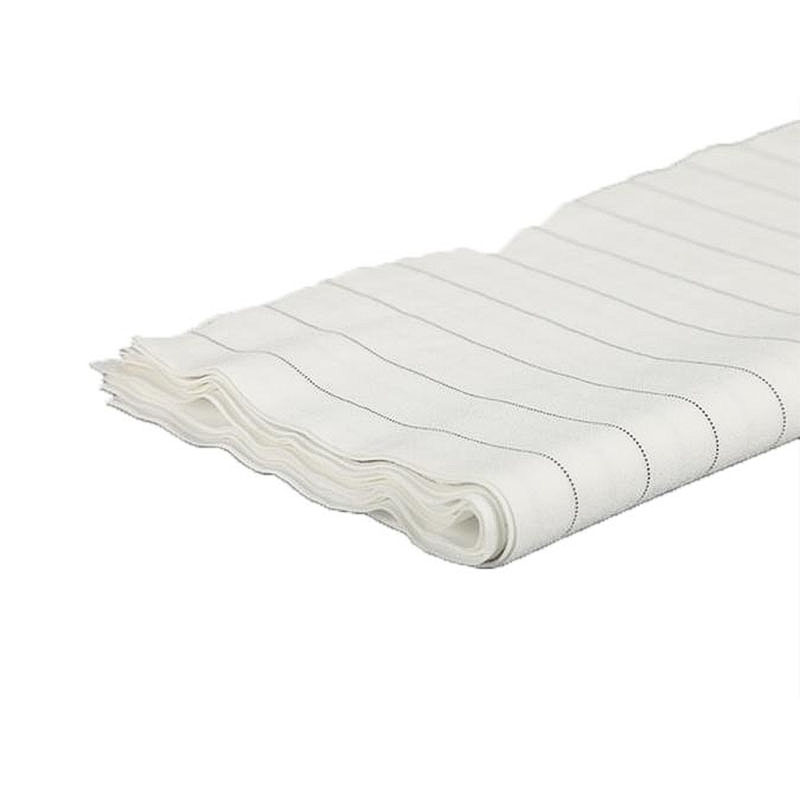
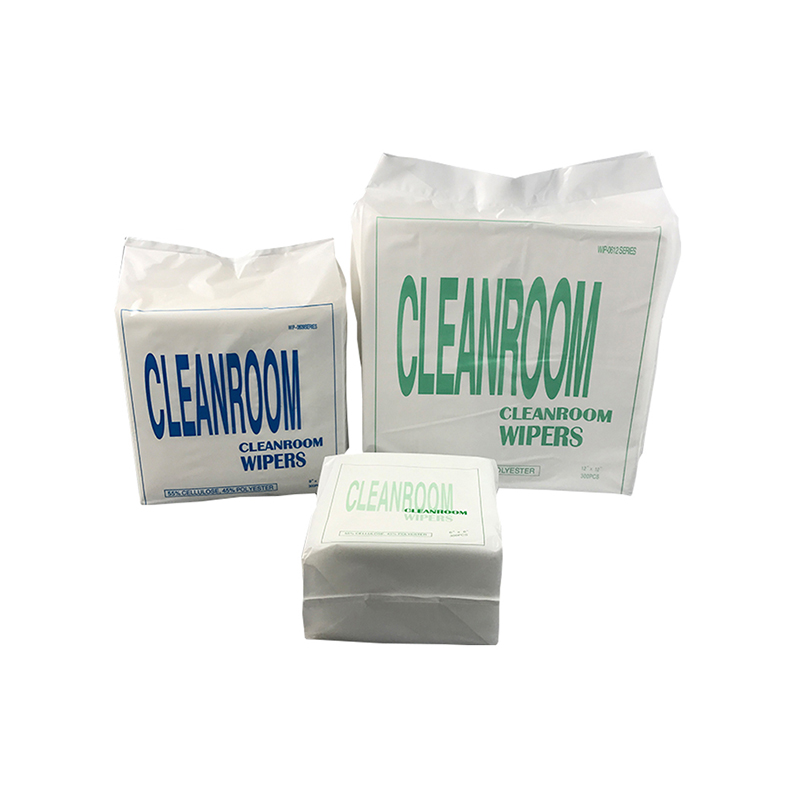
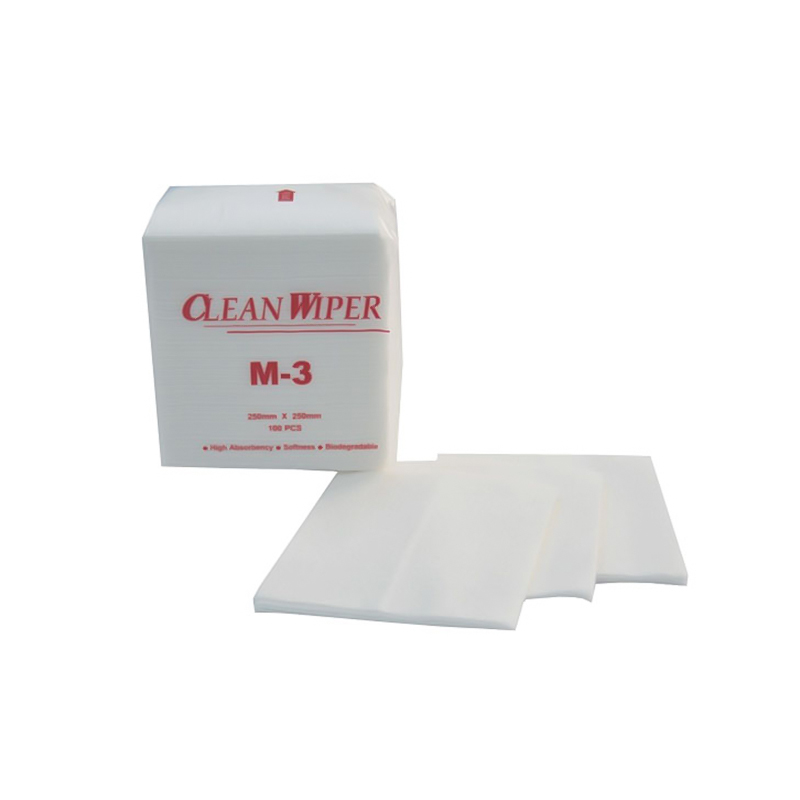
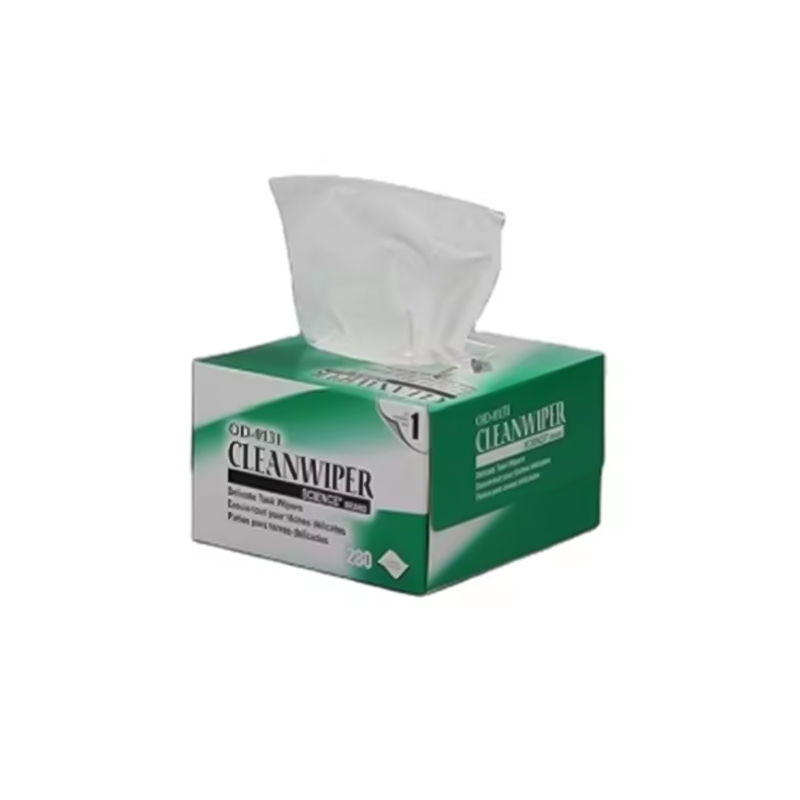
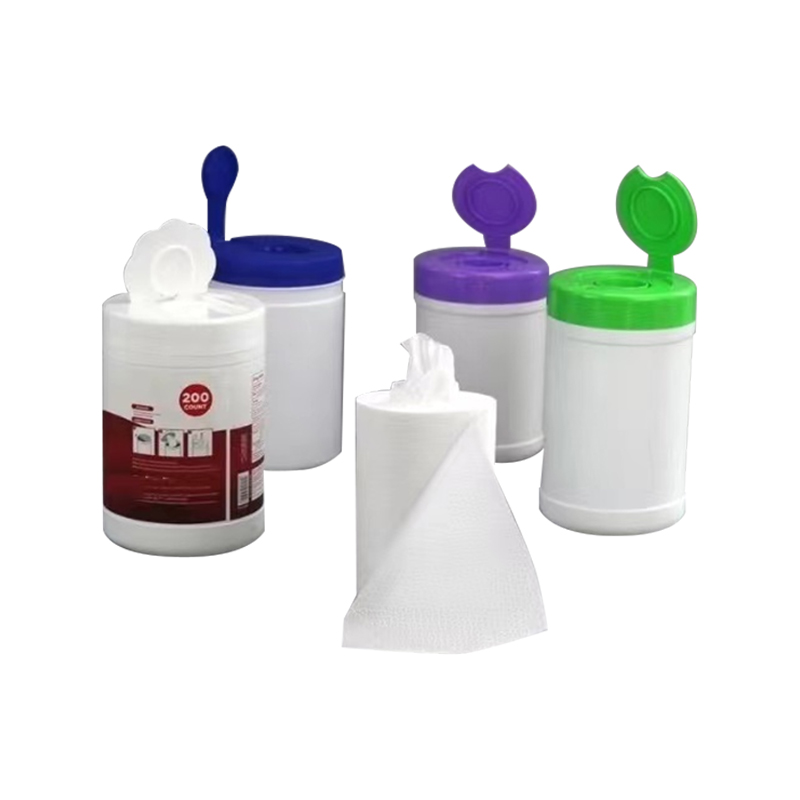
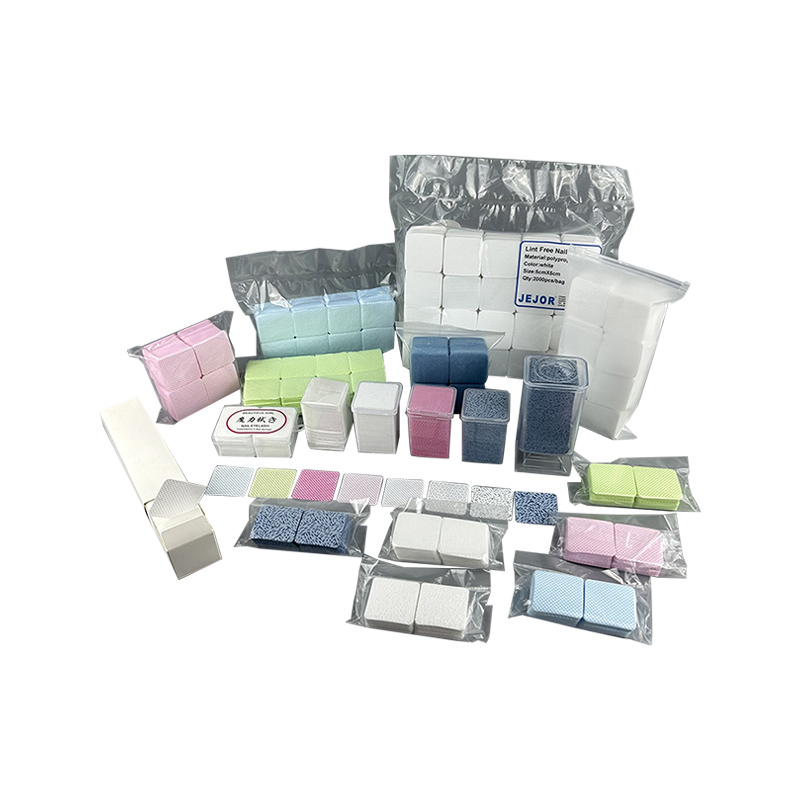
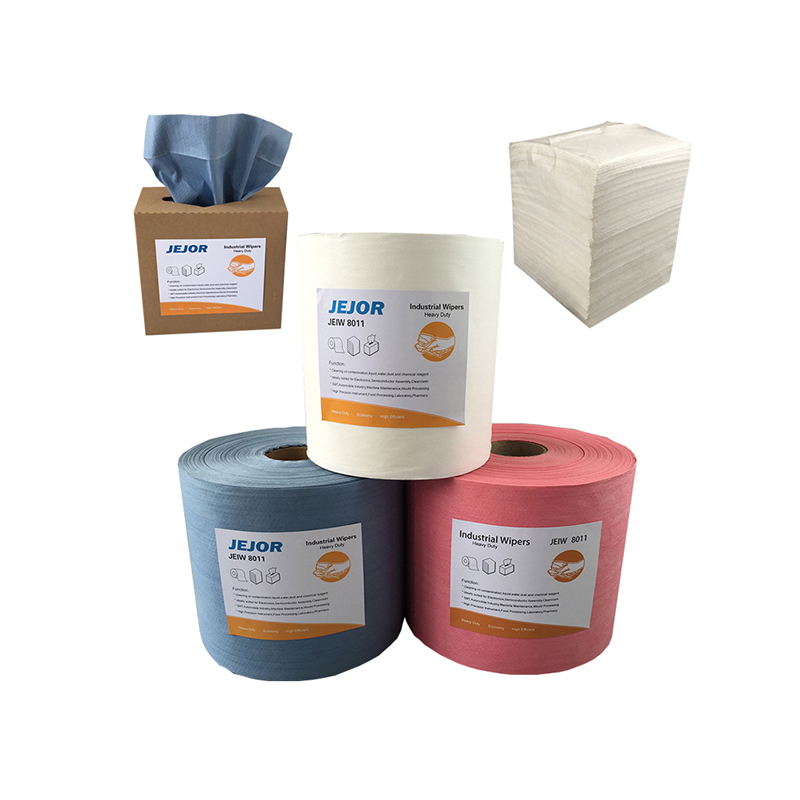
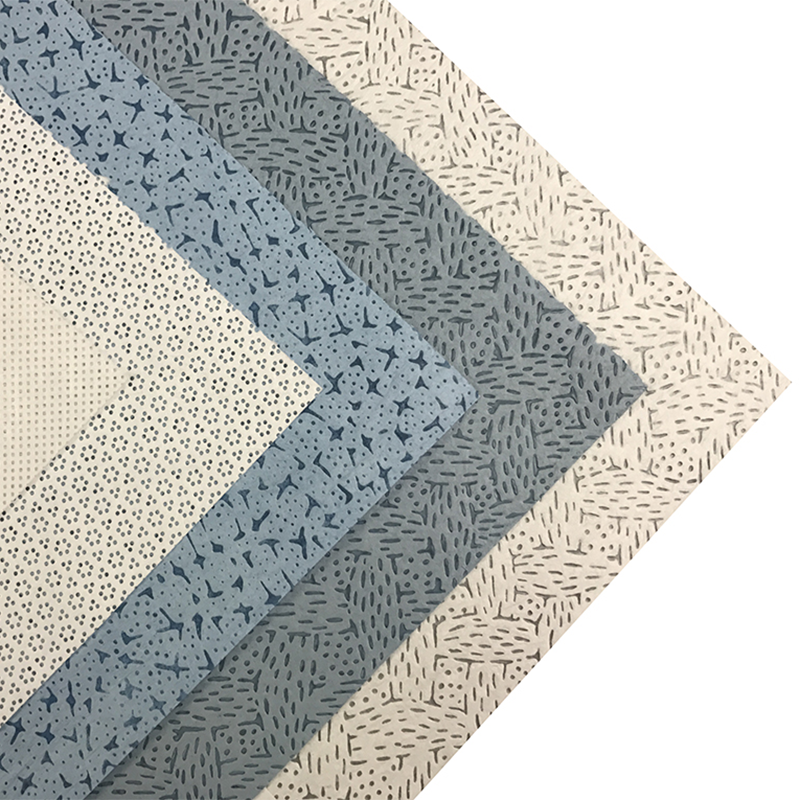
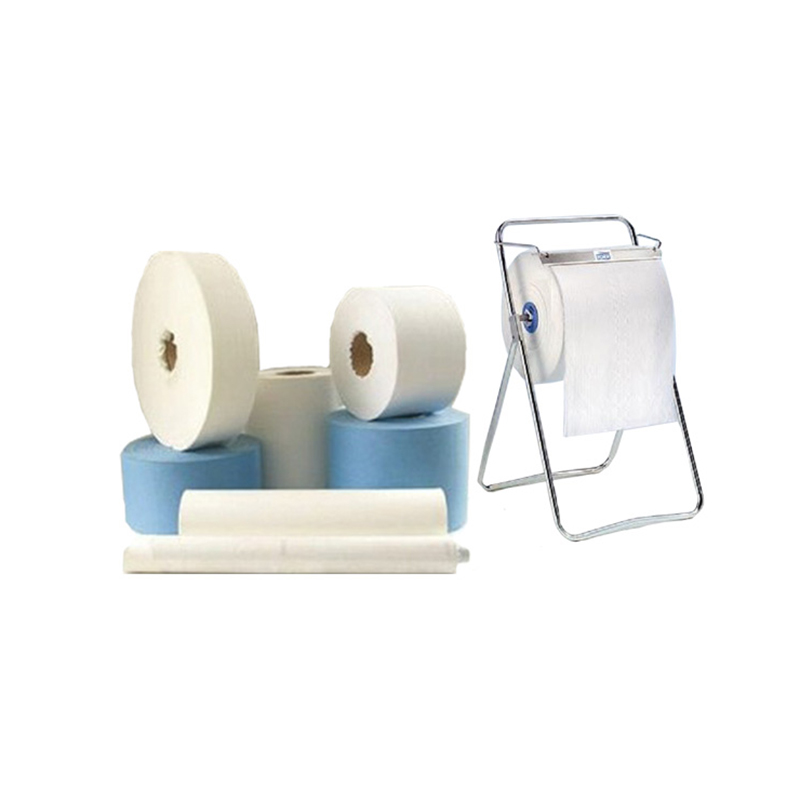
Non-sterile wipes are general-purpose nonwoven wipes used for routine cleaning, surface wiping, dust removal, and equipment maintenance in cleanrooms, workshops, laboratories, and industrial production lines. Unlike sterile wipes, they are not gamma-irradiated or autoclaved, so they are best suited for ISO Class 6-8 cleanrooms, pre-cleaning before sterile procedures, and general electronics or precision manufacturing environments where strict bioburden control is not the primary concern.
What Non-Sterile Wipes Are Made Of
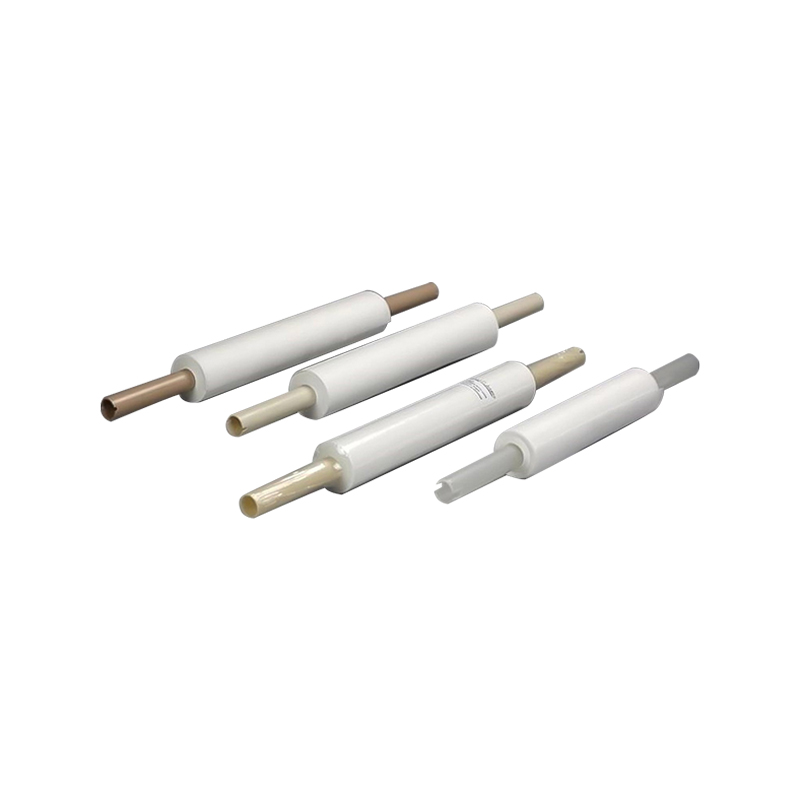
Most non-sterile wipes are produced from polyester, polyester-cellulose blends, or microfiber nonwoven fabric. These materials are chosen because they release very few particles and fibers, absorb liquids quickly, and resist tearing even when wet. A typical 9-inch by 9-inch wipe has a basis weight between 50 and 70 grams per square meter, which gives it enough strength for repeated wiping motions without leaving residue behind.
For factories that purchase wipes in bulk, working with a reliable Nonwoven Wipes Manufacturer matters because fiber consistency directly affects particle generation. A poorly manufactured wipe can shed more particles than it removes, which defeats the purpose in a controlled environment.
Main Uses Of Non-Sterile Wipes
| Application Area | Typical Use |
| Cleanroom workstations | Wiping down benches, tools, and equipment surfaces between tasks |
| Electronics manufacturing | Removing dust, oil, and flux residue from PCB assembly lines |
| Pharmaceutical pre-cleaning | Initial wipe-down before final disinfection with sterile wipes |
| Laboratory maintenance | Cleaning glassware exteriors, fume hoods, and lab benches |
| General factory floors | Daily housekeeping and spill management in production zones |
In a typical electronics assembly line, operators may use dozens of wipes per shift simply to keep solder stations and conveyor surfaces free of dust before sterile or precision processes begin. This is where a dependable Cleanroom Wiper Manufacturer becomes important, since consistent quality reduces the risk of contamination carried over to later production stages.
How Non-Sterile Wipes Differ From Sterile Wipes
The main difference is processing, not the raw material. Sterile wipes go through gamma irradiation, autoclaving, or other validated sterilization methods, and they are packaged in sealed, traceable bags with batch documentation. Non-sterile wipes skip this step, which makes them more affordable and suitable for tasks where bioburden reduction below detectable levels is not required.
For example, a facility producing Class 6 cleanroom components for automotive electronics will often rely entirely on non-sterile wipes for daily cleaning, while a pharmaceutical filling line will reserve sterile wipes for direct contact with product-contact surfaces and use non-sterile wipes only for outer equipment housings.
Pairing Non-Sterile Wipes With Other Cleanroom Consumables
Wipes rarely work alone. In most controlled environments, they are part of a broader contamination control routine that includes other consumables.
- A Clean Swab is used for precision cleaning of small gaps, connectors, and hard-to-reach corners that wipes cannot access. Working with an experienced Clean Swab Manufacturer ensures the swab heads do not leave fibers behind in tight spaces.
- A Sticky Mat or Sticky Roller is placed at entry points to remove particles from shoe soles and equipment wheels before personnel and carts enter the cleaning zone, reducing the load on wipes used inside.
- An Antistatic Mat on workbenches helps prevent static buildup that could attract dust onto surfaces that have just been wiped down.
Personal Protective Equipment That Complements Wiping Procedures
Wiping is only effective if the person doing it does not reintroduce contamination. This is why cleanroom gowning protocols are closely tied to cleaning routines.
| PPE Item | Role During Cleaning Tasks |
| Cleanroom Face Mask | Prevents breath moisture and particles from settling on freshly wiped surfaces |
| Antistatic Clothing | Reduces particle attraction caused by static charge on the operator's body |
| Cleanroom Shoe Cover | Prevents floor contaminants from being tracked into wiped areas |
| Antistatic Cap | Contains hair and scalp particles during overhead cleaning tasks |
| Antistatic Gloves | Avoids transferring skin oils onto wiped surfaces |
Sourcing from a single Antistatic Clothing Manufacturer alongside a Cleanroom Face Mask Manufacturer and Cleanroom Shoe Cover Manufacturer can simplify quality control, since material specifications and ESD ratings can be matched across the entire gowning kit.
Choosing The Right Wipe For Your Application
Not every task needs the same wipe. Consider the following factors before selecting a product line:
- Surface type: smooth metal surfaces tolerate lower-cost polyester wipes, while delicate optical or electronic components benefit from softer microfiber.
- Solvent compatibility: wipes used with isopropyl alcohol or other solvents should be tested for chemical resistance to avoid disintegration mid-wipe.
- Edge sealing: laser-sealed or ultrasonic-sealed edges reduce loose fiber shedding compared to cut edges.
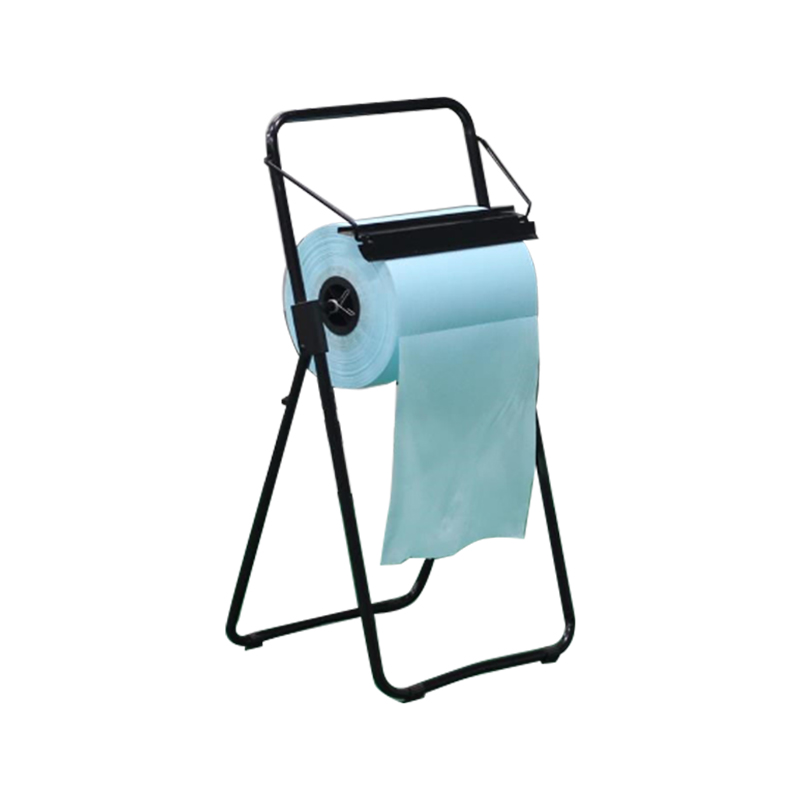
- Packaging: bulk-packed wipes reduce cost per unit but require a controlled dispensing area to avoid contamination of unused stock.
Many facilities also handle precision detail work with an Antistatic Tweezer when placing or adjusting small components after a surface has been wiped clean. Pairing tools from a trusted Antistatic Tweezer Manufacturer with quality wipes helps maintain a consistent ESD-safe workflow from cleaning through assembly.
Practical Tips For Using Non-Sterile Wipes Effectively
- Always wipe in one direction to avoid redepositing particles back onto the cleaned surface.
- Fold the wipe into quarters so that a fresh surface is used for each pass, extending coverage from a single wipe.
- Discard wipes once visibly soiled rather than reusing them across multiple workstations.
- Store unopened wipe packs away from direct sunlight and humidity to prevent premature degradation of the fabric.
- Combine with an Antistatic Shoes program at facility entrances so that dust load entering the cleaning zone is minimized from the start. Working with an established Antistatic Shoes Manufacturer can help match shoe sole materials to your flooring's static dissipation requirements.