

 中文简体
中文简体 Español
 русский
 Deutsch
 Français
Content
Core Cleaning Capabilities of Sticky Rollers
Sticky rollers rely on a high-tack coating applied to their surface to achieve cleaning performance. Unlike traditional vacuum cleaners or wet cloth wiping, sticky rollers employ a physical contact adhesion mechanism that makes direct contact with contaminants and traps them on the roller surface. This cleaning method eliminates risks of water residue, static electricity generation, or mechanical abrasion that could damage delicate surfaces.
As a professional sticky roller manufacturer, Suzhou Jujie Electronic Co., Ltd. operates a 33,000-square-meter modern factory with 48 fully automated production lines, supplying sticky rollers for residential, commercial, and industrial cleanroom applications worldwide.
Specific Surface Types a Sticky Roller Can Clean
Clothing and Fabric Surfaces
The most common application for sticky rollers is cleaning garments, curtains, sofa covers, and other textile surfaces. Traditional vacuum cleaners may cause pilling or fiber damage due to excessive suction on fabrics, whereas sticky rollers gently roll across the surface to adsorb dust, pet hair, and fiber lint. They are particularly suitable for daily maintenance of delicate fabrics such as wool and silk.
- Floating dust and lint on formal wear such as suits and overcoats
- Periodic dust removal from curtains, bedding, and other large textile areas
- Hair removal from upholstered furniture including sofa covers and cushions
Furniture and Appliance Smooth Surfaces
Wooden furniture, glass tabletops, and metal appliance exteriors are prime gathering spots for dust and fingerprints. The advantage of sticky rollers on these surfaces is that they leave no water marks, do not scratch painted finishes, and require no additional cleaning agents. For high-end furniture with piano lacquer or baked enamel cabinetry, silicone sticky rollers offer a safe and efficient cleaning solution.
Carpets and Soft Floor Mats
Fine debris embedded in carpets and soft mats, such as food crumbs, sand particles, and fiber fragments, is often difficult to remove completely with brooms or ordinary vacuum cleaners. Stepped multi-roller sticky roller designs can penetrate deep into carpet fiber gaps to strongly adsorb embedded dirt, leaving no adhesive residue behind after cleaning.
Electronic Device Precision Surfaces
This represents one of the most technically valuable application areas for sticky rollers. Precision electronic surfaces such as computer keyboard crevices, smartphone screens, camera lenses, and monitor panels impose extremely high demands on cleaning tools: they must not produce scratches, must not leave liquid residue, and must not introduce static electricity.
Key Data In electronics manufacturing cleanrooms, sticky rollers used in conjunction with cleanroom wipers and clean swabs can control surface particulate contamination within Class 100 to Class 10,000 cleanroom standards.
Cleanroom-Specific Work Surfaces
In cleanroom environments for semiconductor, pharmaceutical, and precision optics industries, sticky rollers work alongside sticky mats to form a dual cleaning system for floors and work surfaces. Sticky rollers clean vertical surfaces and equipment exteriors, while sticky mats control shoe-borne contamination at personnel entry points.
Material Comparison for Different Surface Applications
| Material Type | Applicable Surfaces | Core Advantages | Typical Scenarios |
| PP (Polypropylene) Sticky Roller | General fabrics, wooden furniture | Lightweight, durable, cost-effective | Residential daily cleaning |
| All-Aluminum Silicone Sticky Roller | Metal equipment, high-temp environments | High strength, excellent heat dissipation | Industrial production lines |
| Black Aluminum Silicone Sticky Roller | High-end furniture, display cabinets | Stain-resistant, premium appearance | Hotels, exhibition halls |
| Plastic Silicone Sticky Roller | Travel items, compact spaces | Lightweight and portable | Business travel, automotive |
| ABS Engineering Plastic Sticky Roller | High-frequency commercial spaces | Strong impact resistance | Hospitals, shopping malls |
| Aluminum Base Silicone Sticky Roller | Large glass panels, metal sheets | Excellent flatness | Cleanroom workbenches |
Critical Considerations for Surface Cleaning with Sticky Rollers
Adhesion Decay and Replacement Cycles
The cleaning effectiveness of a sticky roller depends directly on the maintenance of its surface tackiness. Replacement cycles vary significantly based on usage frequency and environmental conditions:
- Residential daily use: Cleaning 2 to 3 times per week, the adhesive surface remains effective for 1 to 2 months. Replacement is needed when adsorption capacity noticeably declines and dust no longer adheres readily
- Commercial high-frequency use: In daily cleaning scenarios such as hotels and hospitals, replacement every 2 to 4 weeks is recommended to ensure sustained cleaning efficiency
- Material differences: Products made with premium silicone and PP film materials demonstrate superior stain resistance and anti-aging properties compared to standard products, extending service life by 30% to 50%
Synergy with Other Cleanroom Cleaning Products
In professional cleanroom environments, sticky rollers are not standalone cleaning tools but function within a complete contamination control system alongside multiple products:
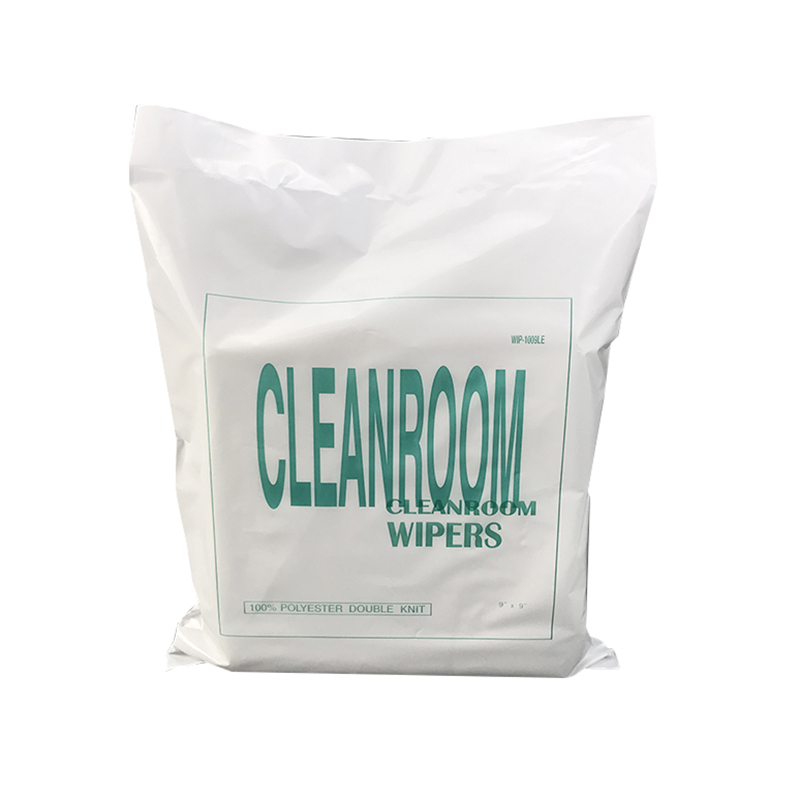
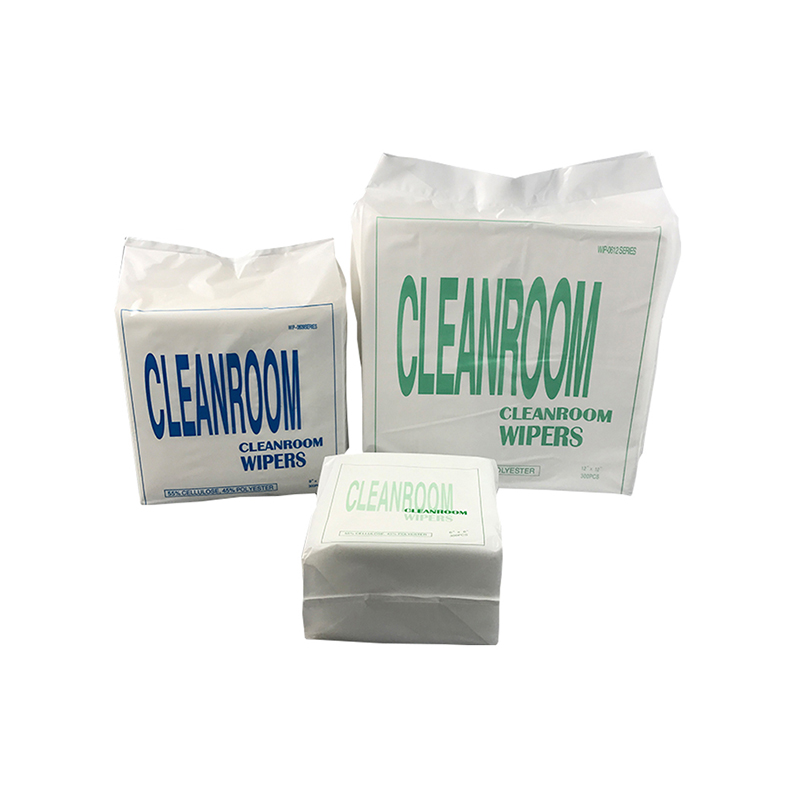
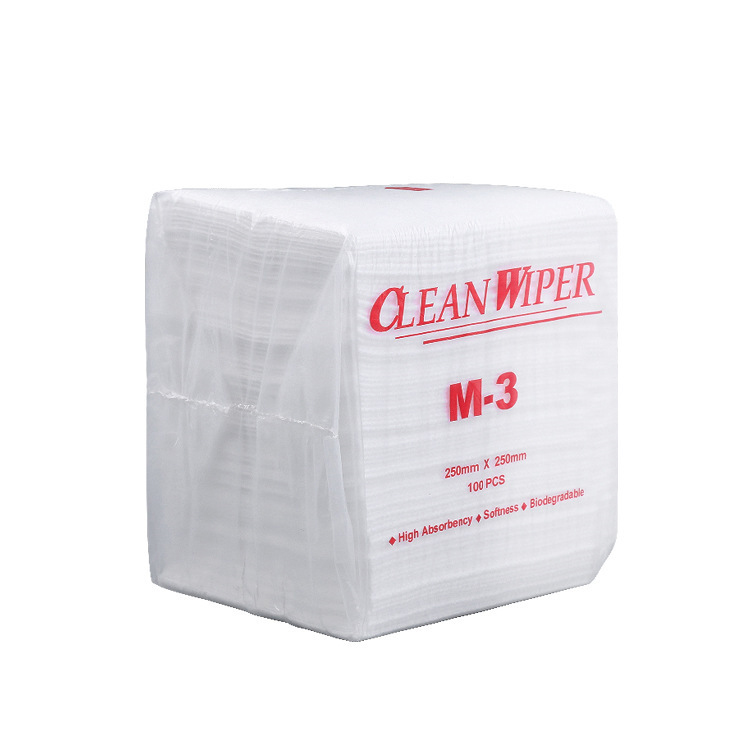
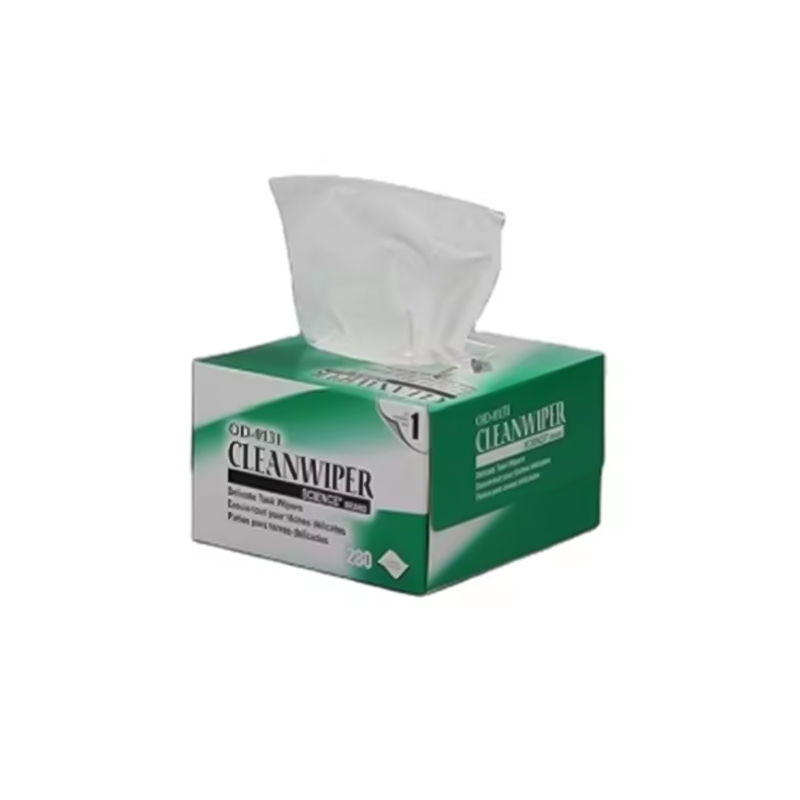
- Cleanroom Wiper: Used with solvents such as isopropyl alcohol for liquid cleaning of oil stains and chemical residues that sticky rollers cannot remove
- Clean Swab: Cleans precision crevices and microscopic areas, complementing sticky rollers for coarse-to-fine coverage
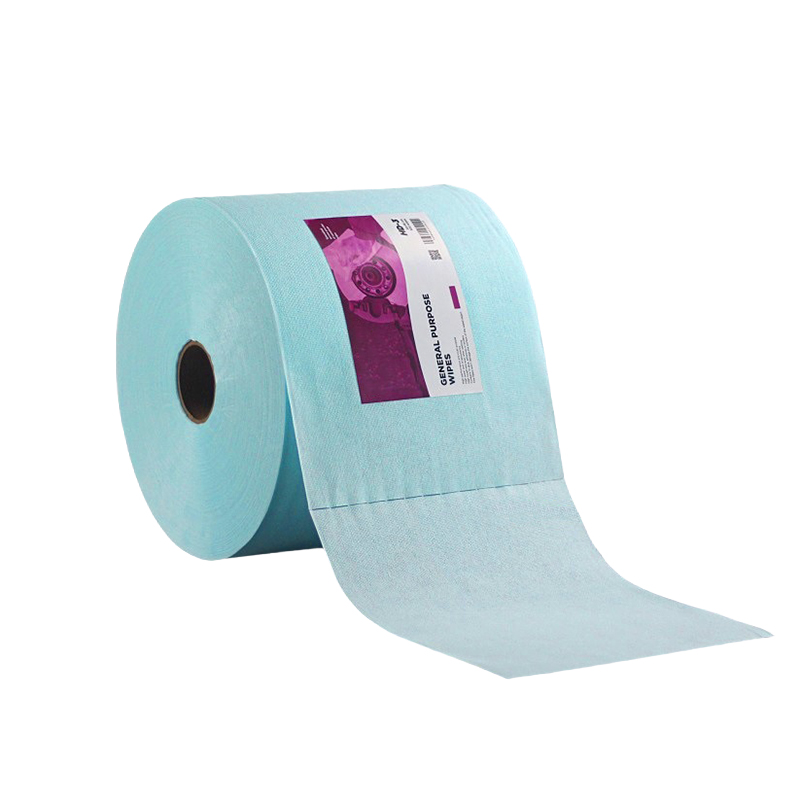
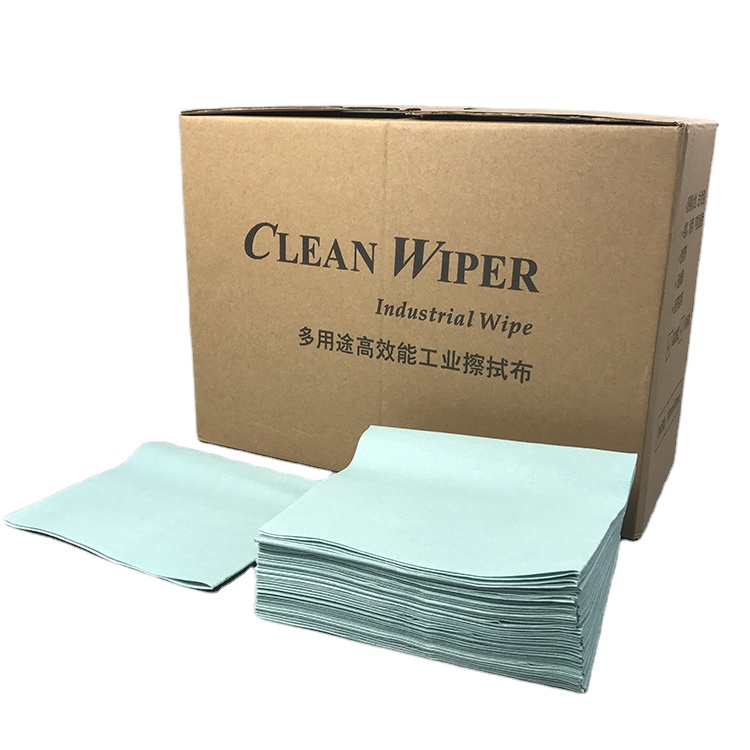
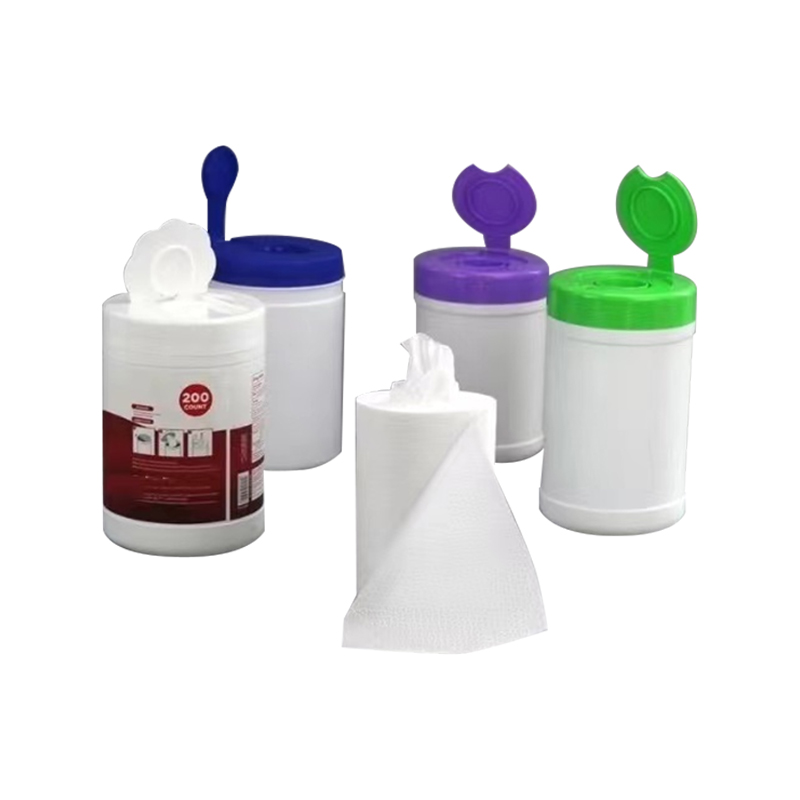
- Nonwoven Wipes: Serve as disposable consumables for rapid large-area dust removal
- Antistatic Product System: Antistatic clothing, antistatic shoes, antistatic gloves, antistatic caps, antistatic mats, and antistatic tweezers collectively build an electrostatic protection environment, preventing freshly cleaned surfaces from re-adsorbing charged particles
How to Select the Right Sticky Roller for Your Surface
When selecting a sticky roller, consider the material properties of the surface to be cleaned, the type of contamination, and usage frequency. For residential users, PP material sticky rollers with replaceable core designs offer cost-effective daily maintenance. For industrial cleanroom users, all-aluminum silicone or aluminum base silicone materials should be prioritized, with suppliers holding ISO cleanroom product certification.
Suzhou Jujie Electronic Co., Ltd. is equipped with Japanese-imported laser cutting machines and German infrared spectrometers, enabling custom sizing, material selection, and functional parameters to ensure precise matching between sticky roller products and target cleaning surfaces.