

 中文简体
中文简体 Español
 русский
 Deutsch
 Français
Content
- 1 Contamination Control: Cleanroom Wiper, Clean Swab and Nonwoven Wipes
- 2 Floor and Surface Particle Control: Sticky Mat and Sticky Roller
- 3 Personnel Barrier Products: Cleanroom Shoe Cover and Cleanroom Face Mask
- 4 Cleanroom Product Series at a Glance
- 5 ESD Protection Layer: Antistatic Clothing, Shoes, Caps, Gloves, Mats and Tweezers
- 6 How to Evaluate a Manufacturer Before Placing an Order
A complete cleanroom and ESD control program is built from two layers working together: a contamination control layer (cleanroom wiper, clean swab, nonwoven wipes, sticky mat, sticky roller, cleanroom shoe cover, cleanroom face mask) that removes particles, fibers and moisture from surfaces, floors and personnel, and an antistatic protection layer (antistatic clothing, antistatic shoes, antistatic cap, antistatic gloves, antistatic mat, antistatic tweezer) that safely drains static charge to ground before it can damage sensitive components. Facilities that source both layers from a single qualified manufacturer typically see fewer compatibility issues, more consistent particle counts, and shorter procurement cycles than those buying each category from separate vendors.
Contamination Control: Cleanroom Wiper, Clean Swab and Nonwoven Wipes
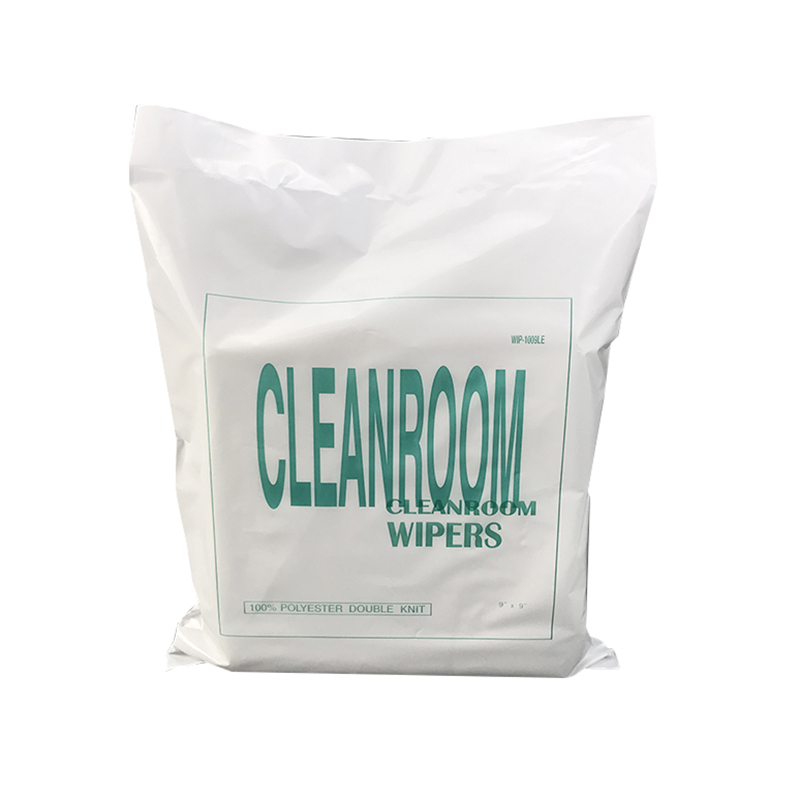
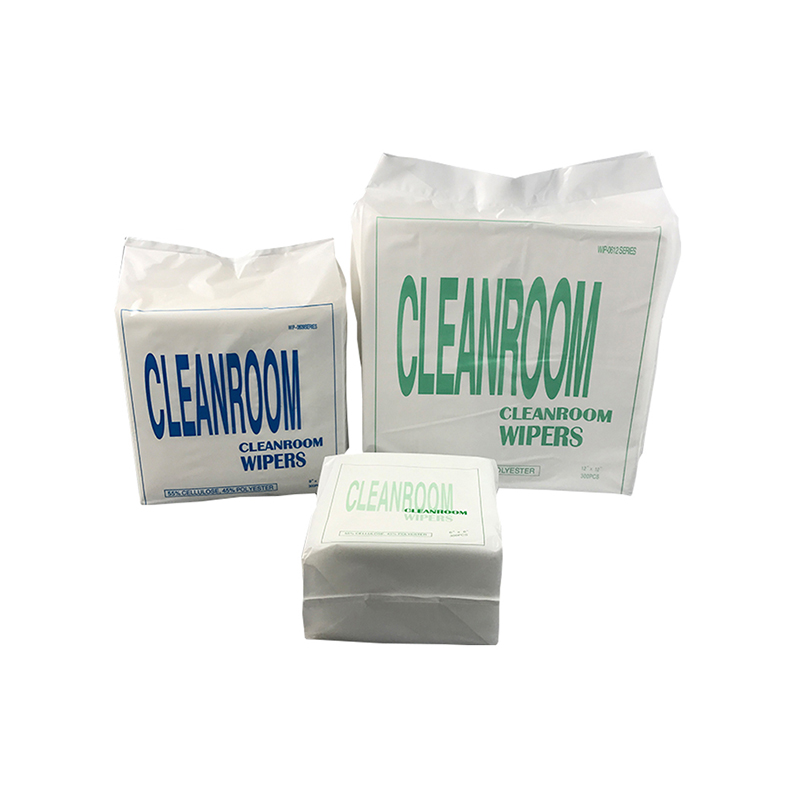
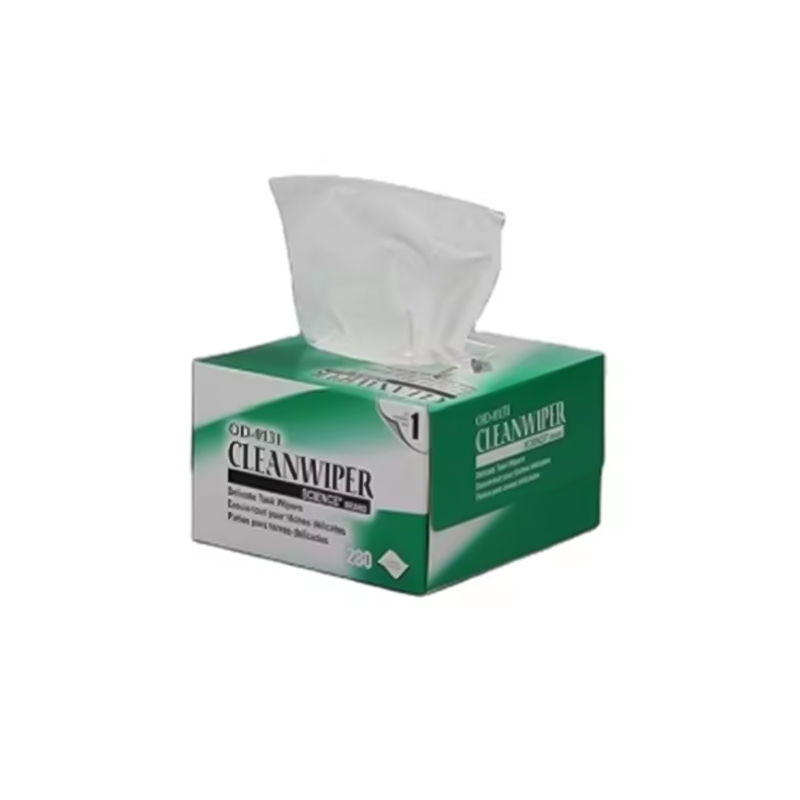
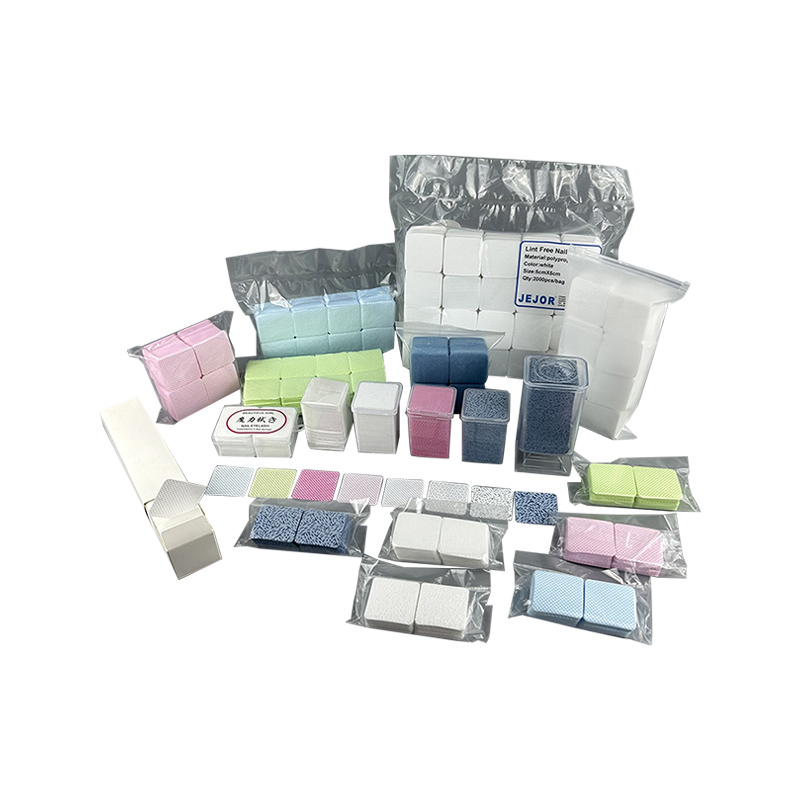
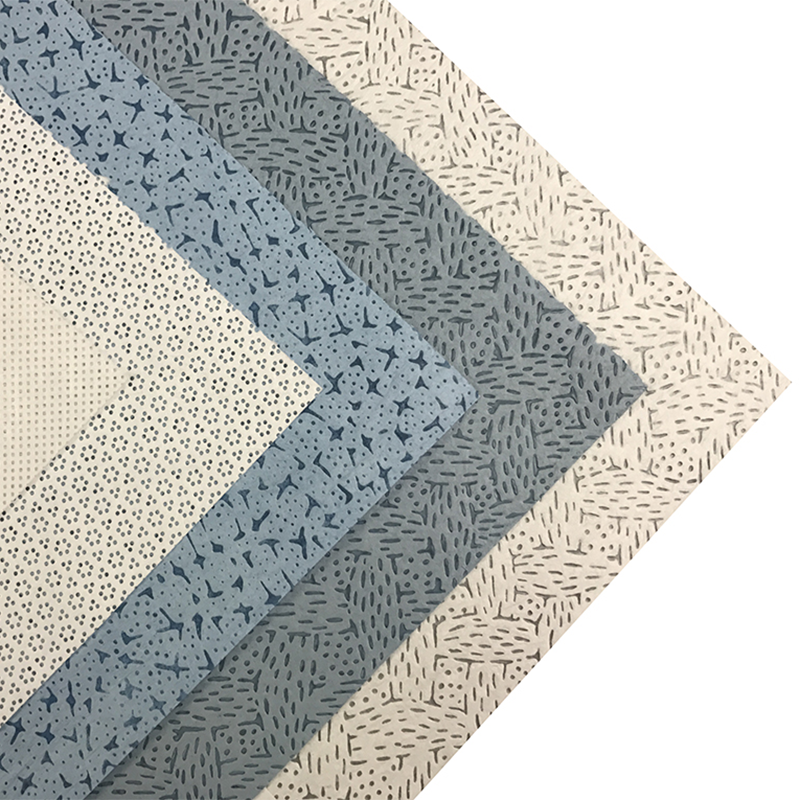
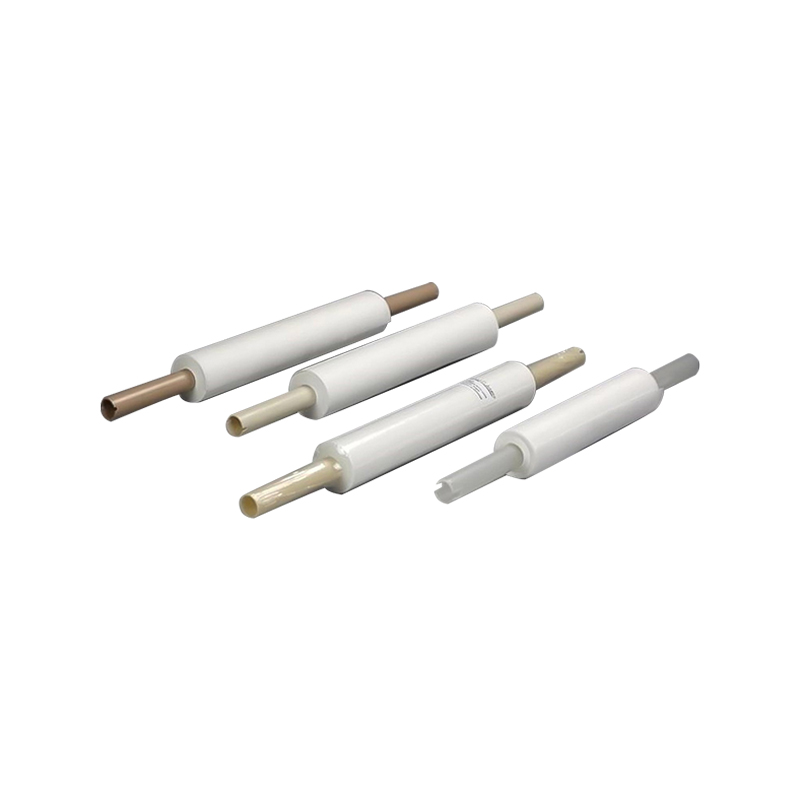
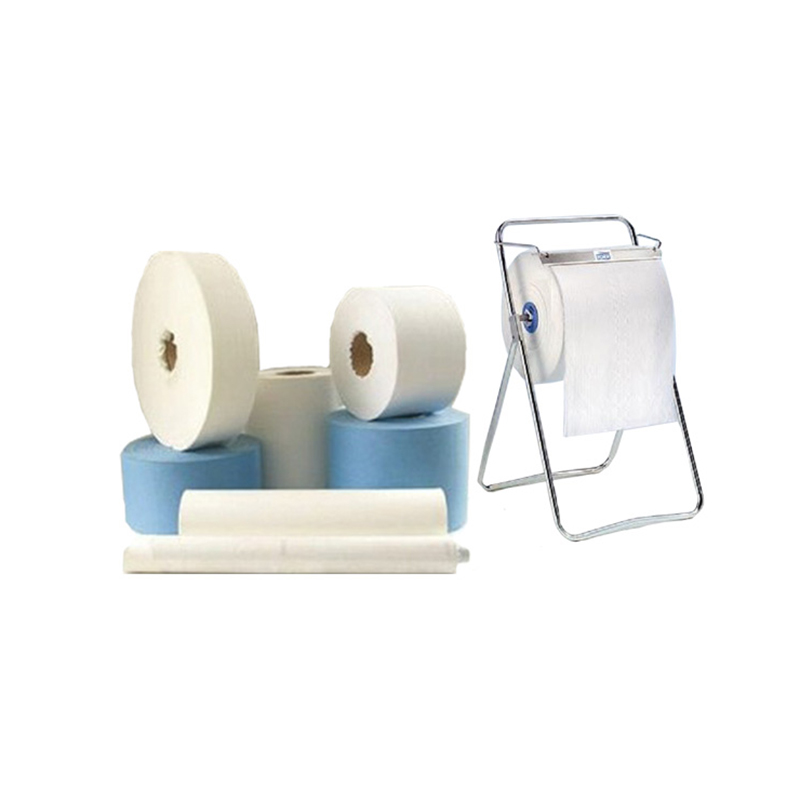
These three product families handle the majority of routine surface cleaning inside a controlled environment. A cleanroom wiper is engineered from continuous-filament polyester or polyester-cellulose blends with laser or ultrasonic sealed edges to minimize fiber shedding, while a clean swab reaches into connectors, seams and tooling gaps that a wiper cannot access. Nonwoven wipes sit between the two in cost and absorbency, making them practical for general equipment wipe-down in lower classification zones. Working with an experienced Cleanroom Wiper Manufacturer or Clean Swab Manufacturer matters here because edge sealing method and raw fiber grade directly determine particle release under friction.
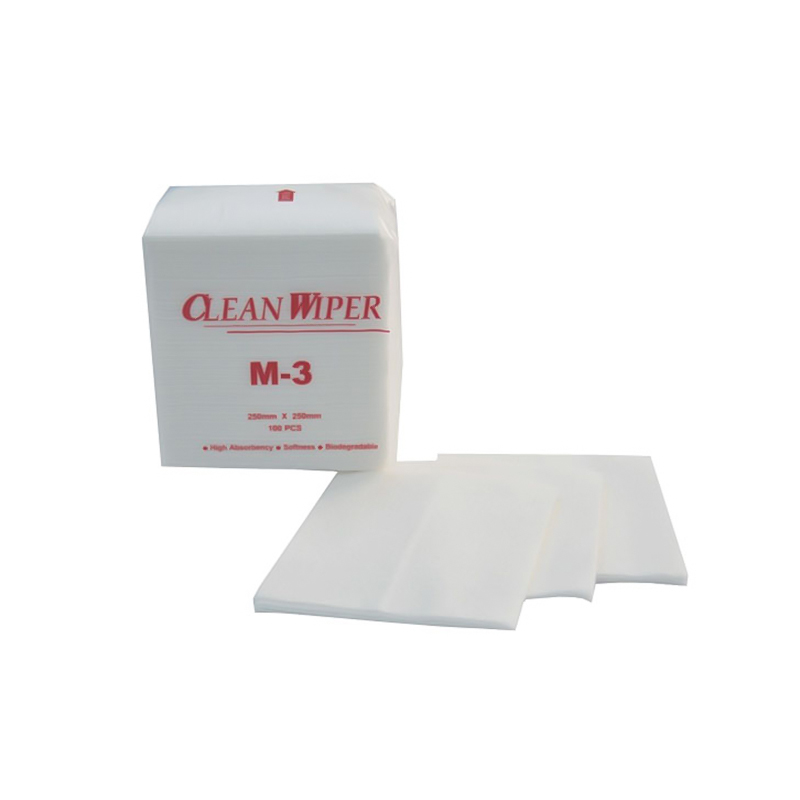
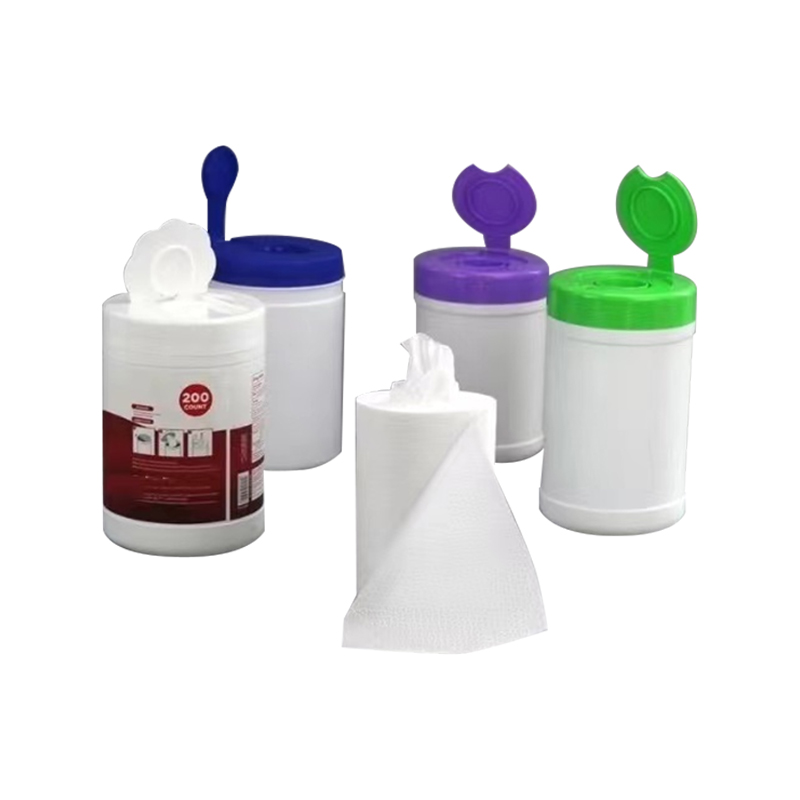
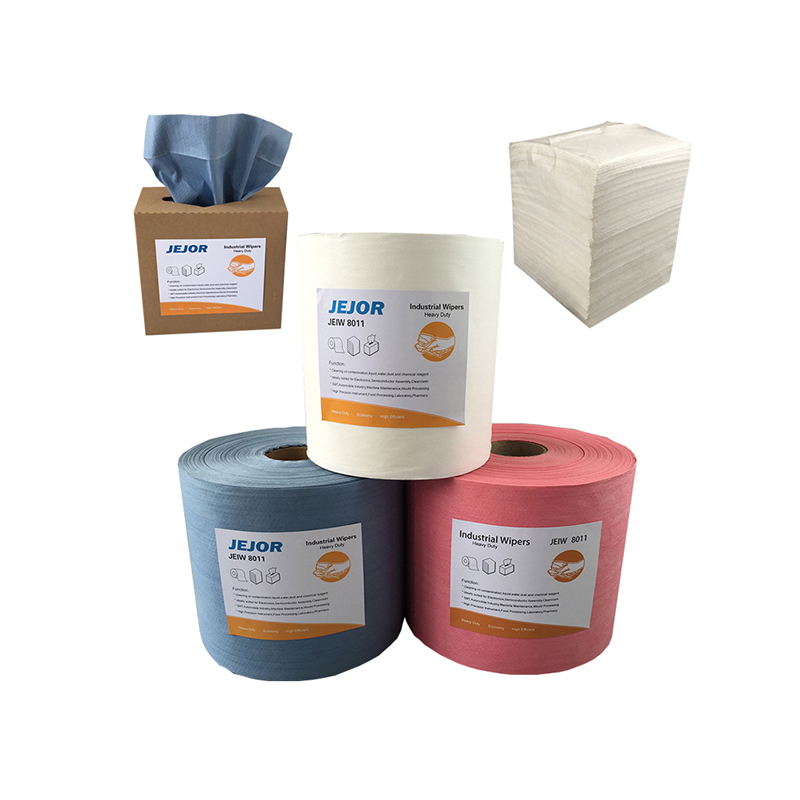
A Nonwoven Wipes Manufacturer with in-house spunlace lines can adjust GSM weight and absorbency batch by batch, which is a practical advantage when a buyer needs one SKU that performs consistently across several production lines rather than sourcing separate wipes for each area.
Floor and Surface Particle Control: Sticky Mat and Sticky Roller
Sticky Mat
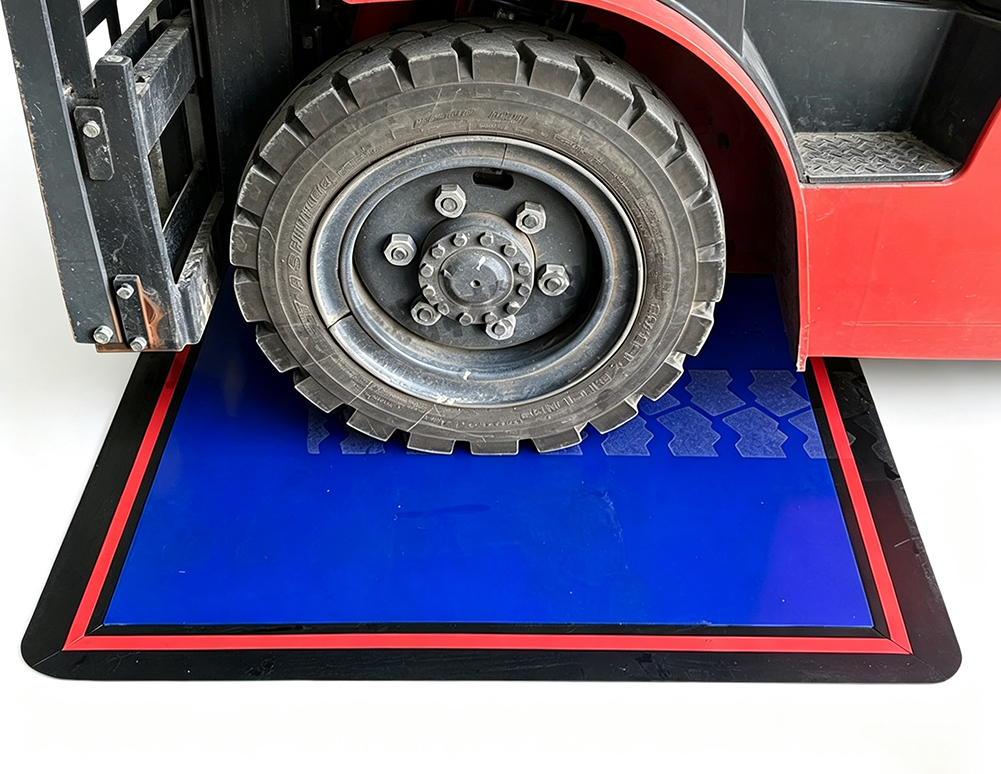
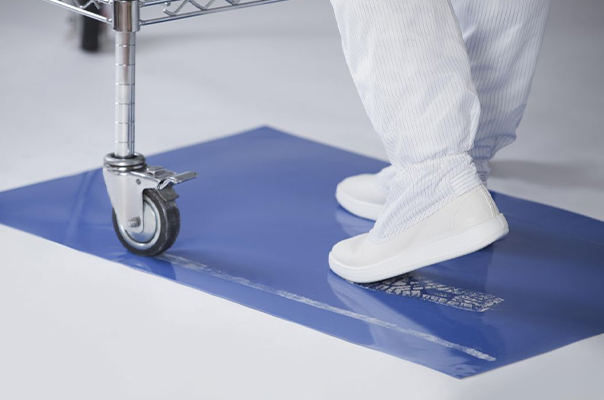
Placed at cleanroom entry points, a sticky mat uses layered adhesive sheets to trap dust and debris carried on shoe soles and wheels. Facilities running ISO Class 5 to Class 6 areas commonly peel one layer per shift, since each layer holds particle capture efficiency above 99 percent only while its surface tack remains active.
Sticky Roller
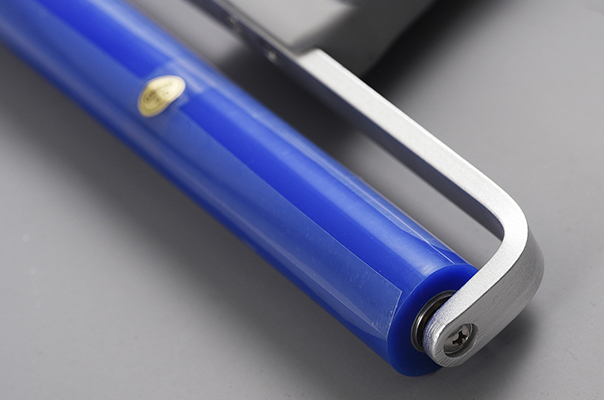
A sticky roller extends the same adhesive principle to garments, carts, and equipment surfaces before they enter a controlled zone. It is a low-cost complement to a sticky mat because it addresses the particles a floor mat cannot reach, such as those on sleeves, shoulders and cart handles.
Personnel Barrier Products: Cleanroom Shoe Cover and Cleanroom Face Mask
Cleanroom Product Series at a Glance
Five core categories cover most day-to-day contamination control needs across electronics, pharmaceutical and precision manufacturing cleanrooms.



ESD Protection Layer: Antistatic Clothing, Shoes, Caps, Gloves, Mats and Tweezers
Electrostatic discharge can burn chips and short circuits well before the damage is visible, so the antistatic layer needs to protect the wearer, the workstation and the component simultaneously. Antistatic clothing and antistatic shoes conduct body-generated static toward the floor grounding system, while antistatic gloves, an antistatic cap and an antistatic tweezer prevent charge transfer at the point of direct contact with components. An antistatic mat completes the loop at the workbench, giving each handled part a grounded resting surface between process steps.
Range
Conductive (below 10⁵ Ω) — direct grounding paths, tweezers and floor strips
Dissipative (10⁵ to 10⁹ Ω) — clothing, gloves, caps, mats and shoes
Insulative (above 10⁹ Ω) — must be excluded from ESD-protected areas
Most antistatic garments and workstation accessories fall inside the dissipative band, which is intentional: dissipative materials drain charge slowly and safely, while a fully conductive item worn directly on the body would create a dangerous direct discharge path. Buying from a single Antistatic Clothing Manufacturer that also produces Antistatic Shoes, Antistatic Cap, Antistatic Gloves, Antistatic Mat and Antistatic Tweezer lines helps keep resistance ranges consistent across the whole personnel loop, rather than mixing products calibrated to different internal standards.
How to Evaluate a Manufacturer Before Placing an Order
Confirm the production environment itself is controlled. Cleanroom garments and wipers made outside a certified cleanroom can introduce the very contamination they are meant to remove.
Ask for resistance test data, not just a resistance range on a spec sheet. Batch-to-batch consistency matters more than a single favorable number.
Check whether the supplier can support OEM or ODM customization for sizing, packaging and private labeling, which matters for buyers reselling under their own brand.
Review production capacity against your order volume. A manufacturer running automated weaving, washing and cutting lines can hold tighter tolerances than a workshop relying on manual cutting.
Sourcing cleanroom and antistatic consumables from one manufacturer that controls both product families end to end reduces the risk of mismatched resistance values, inconsistent particle counts, and delayed lead times across a facility's full protection program.